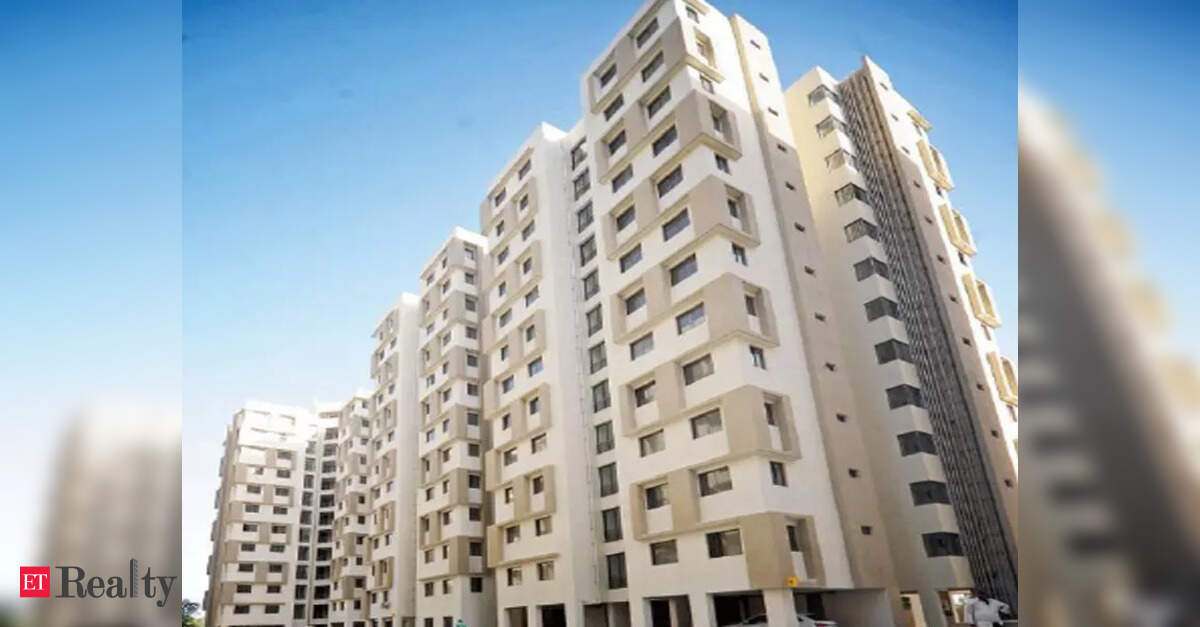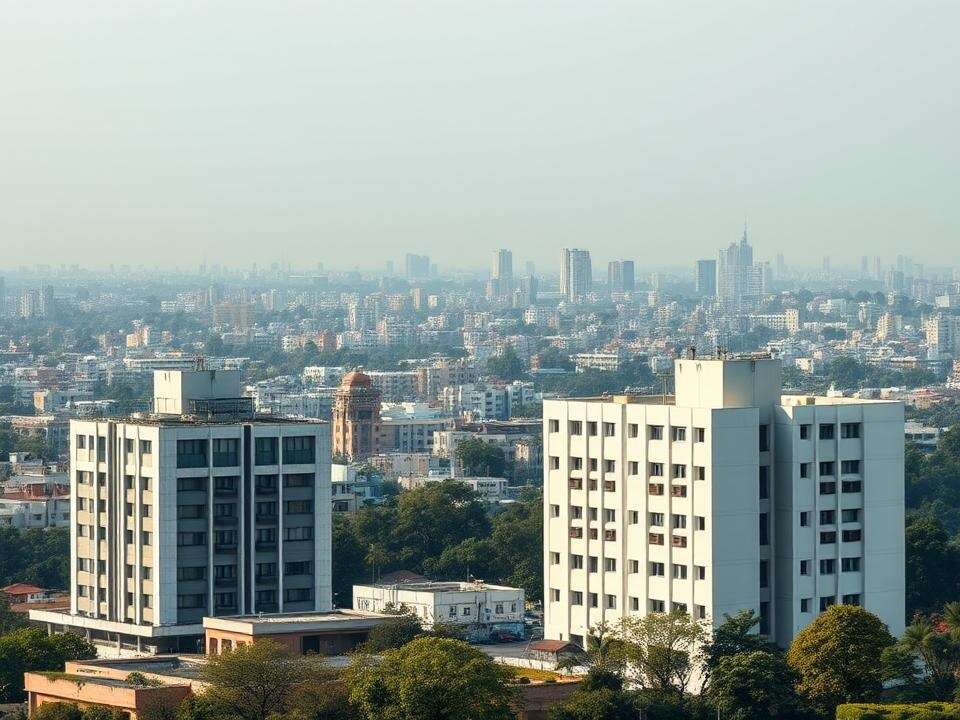
CHANDIGARH: Once designed as a vibrant city of gardens and geometric elegance, Chandigarh now faces a significant challenge — a housing crisis. With only 600 acres remaining for residential development within a 28,170-acre master plan, the aspiration of homeownership in this architectural landmark is becoming increasingly unattainable.
The last public housing scheme was initiated in 2016, and since then, the city’s skyline has remained relatively unchanged, despite its population having surged to over 1.3 million, nearly three times its planned capacity.
Now, even the limited land available is being designated for government housing, with plans to construct 500 new homes for government employees, reducing space for the general populace. Housing has seemingly become a low priority amid bureaucratic hurdles and shifting policies.
Growing Demand Amidst Shrinking Space
The strain is evident in soaring market prices and recent hikes in collector rates. Sector grid rates have doubled, and village rates have seen increases of three to four times. Yet, even with these adjustments, market prices continue to escalate, highlighting an unyielding demand.
Consider the Chandigarh Housing Board’s proposed self-financing scheme in Sector 53: they received more than 7,500 applications for just 372 flats, an astonishing average of 20 applicants per unit. This situation clearly indicates a desperate need for housing in the city.
Limited Land for Development
According to the Chandigarh Master Plan 2031, of the total 28,170 acres, 10,672 acres are allocated for residential use, most of which has been developed, leaving approximately 400 acres available. An additional 200 acres has been proposed for future residential development. The rest is situated in Phase III sectors, village areas, and the IT Park.
Officials have pinpointed 32 acres in Dhanas, 30 acres in Sarangpur, and 100 acres in Manimajra as possible for housing. Smaller parcels are available in Maloya, though much of its residential land has been repurposed for rehabilitation projects.
In Phase II, 92 acres are still accessible. Approximately 215 acres in various sectors have been allocated to the Chandigarh Housing Board but remain undeveloped. Furthermore, 146 acres in Phase III sectors are designated for high-density housing, intended for multi-storey flats with a maximum density of 100 persons per acre.
Evolution of the City’s Housing Landscape
About 70% of Chandigarh’s housing consists of private structures on government-leased land, while the remainder is primarily developed by the CHB. Nearly a third of private plots are one kanal or larger, representing over two-thirds of the area allocated for private residential plots in the original master plan.
Over the years, the density of housing has evolved. Phase I featured low-density development with plot sizes ranging from 5 marla to 8 kanal. Phase II introduced higher density with three to four storey blocks, reducing the largest plot size to 2 kanals. Phase III is strictly reserved for high-density multi-storey apartments, with no individual plots planned.