CHANDIGARH: The Chandigarh administration has established a new committee to assess the future of approximately 35,000 housing units in the city’s rehabilitation colonies. This decision comes as residents continue to demand ownership rights and disputes over illegal transfers and occupancy persist.
The committee is tasked with evaluating the current status of these properties, examining the legal framework that governs them, and reviewing approaches taken by other cities to deal with similar issues within rehabilitation schemes. Chief Secretary H Rajesh Prasad confirmed the committee’s formation and has instructed them to submit their findings promptly. The administration will make its final decision based on these recommendations.
This initiative follows a previous committee established in 2023, which failed to implement its recommendations. That committee concluded that residents could not be granted ownership rights, deemed post-survey transactions as illegal, and proposed creating a policy for recovering government dues in cases of unauthorized transfers. It also suggested imposing licence fees at current market rates.
According to a recent survey, nearly 80% of the homes in the colonies are no longer occupied by their original allottees. Many properties have changed hands through general power of attorney (GPA) transactions, with some properties reportedly sold multiple times—up to four times in certain instances. The administration contends these transactions, based on “flimsy documents,” are invalid since the houses were allotted under a monthly licence fee scheme designed for economically weaker sections, not for commercial transfer.
Historical Context and Legal Status
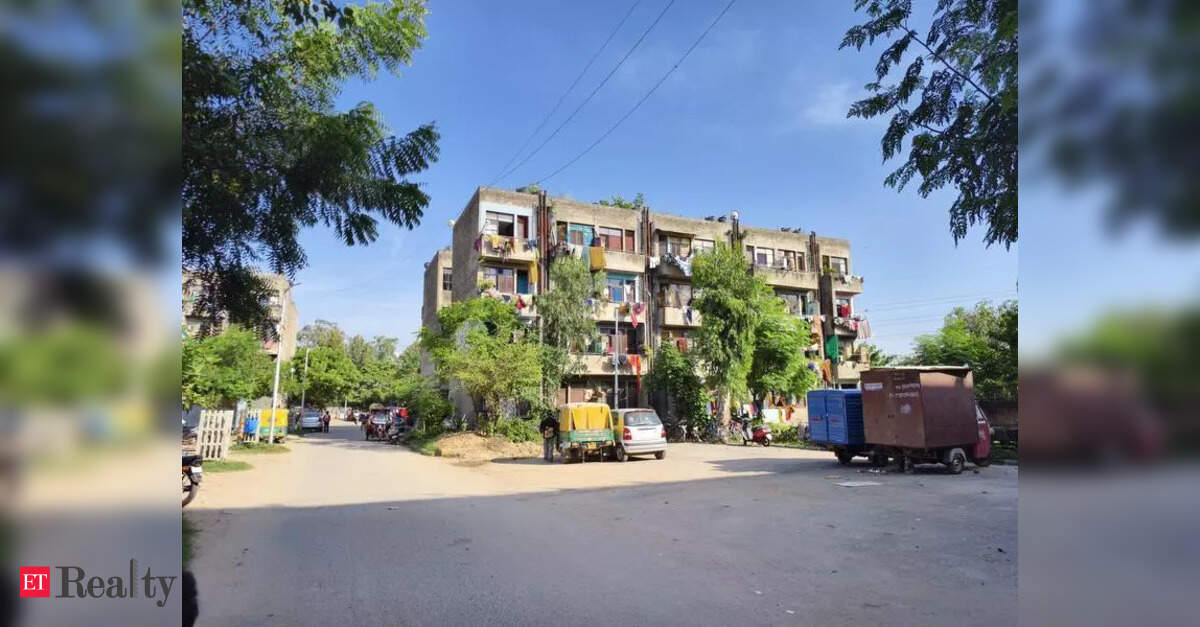
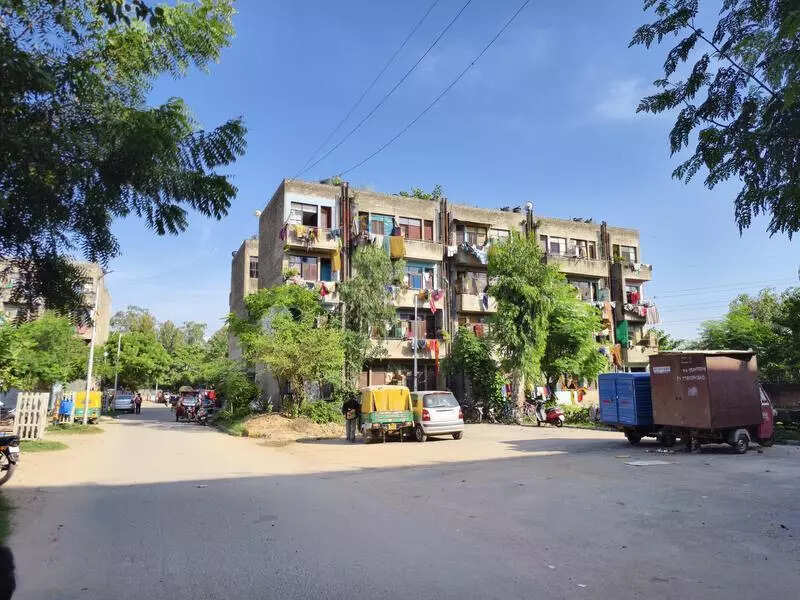
The rehabilitation colonies—comprising Dadumajra, Indira Colony, Manimajra, Mauli Jagra, Dhanas, Bapu Dham, Sector 52, and Sector 56—contain over 34,965 units constructed since 1980. Most of these units were allotted on 99-year leases or similar agreements beginning in 1979.
In 2011, the Supreme Court prohibited property transfers via GPA arrangements, a restriction that remains in place today.
The issue was also discussed in the Lok Sabha. In response to inquiries from Chandigarh MP Manish Tewari last year, the Centre stated that ownership rights cannot be granted to beneficiaries of the rehabilitation scheme. The properties remain under leasehold, and any transfers that contradict the original allotment terms are not recognized.
Practical Challenges
Residents have highlighted several challenges stemming from the current situation. Many banks refuse to issue housing loans due to unclear ownership titles, limiting property transactions and hindering value appreciation. Officials estimate that over 15,000 houses are in default for non-payment of licence fees. In numerous colonies, licence fees have not been updated since 2008.
Ownership applications were briefly accepted in 1990, but the process was abandoned, leaving most residents without ownership status.
The newly formed committee is expected to tackle these legal and administrative issues, potentially revising fee structures and relief mechanisms while ensuring adherence to existing laws and the original objectives of the rehabilitation scheme.