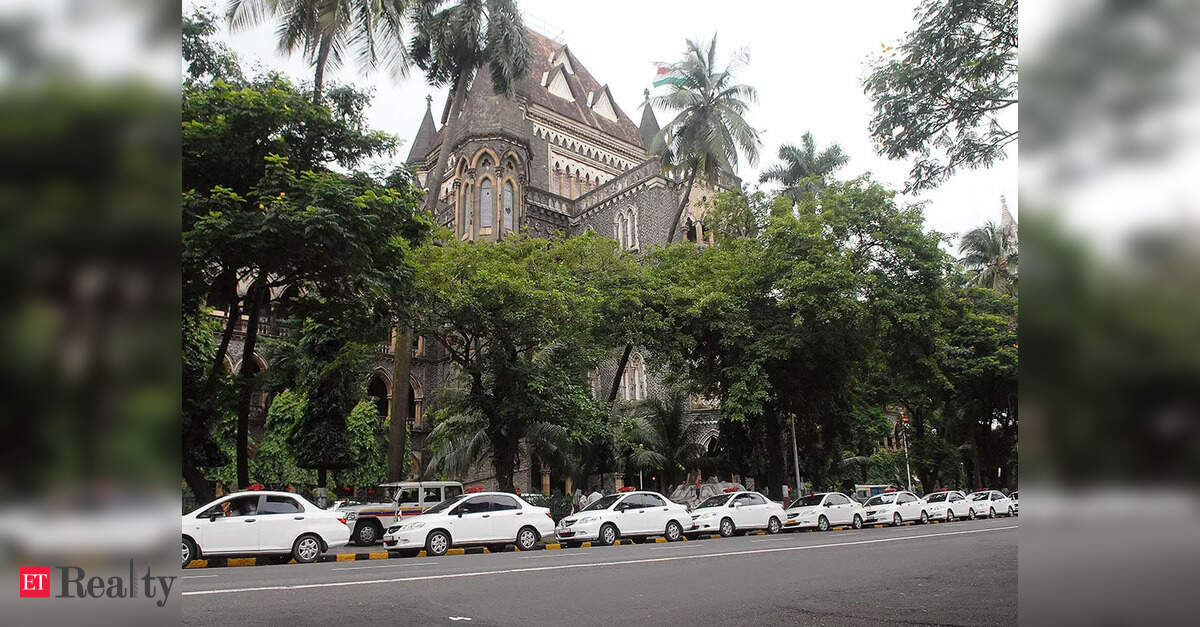
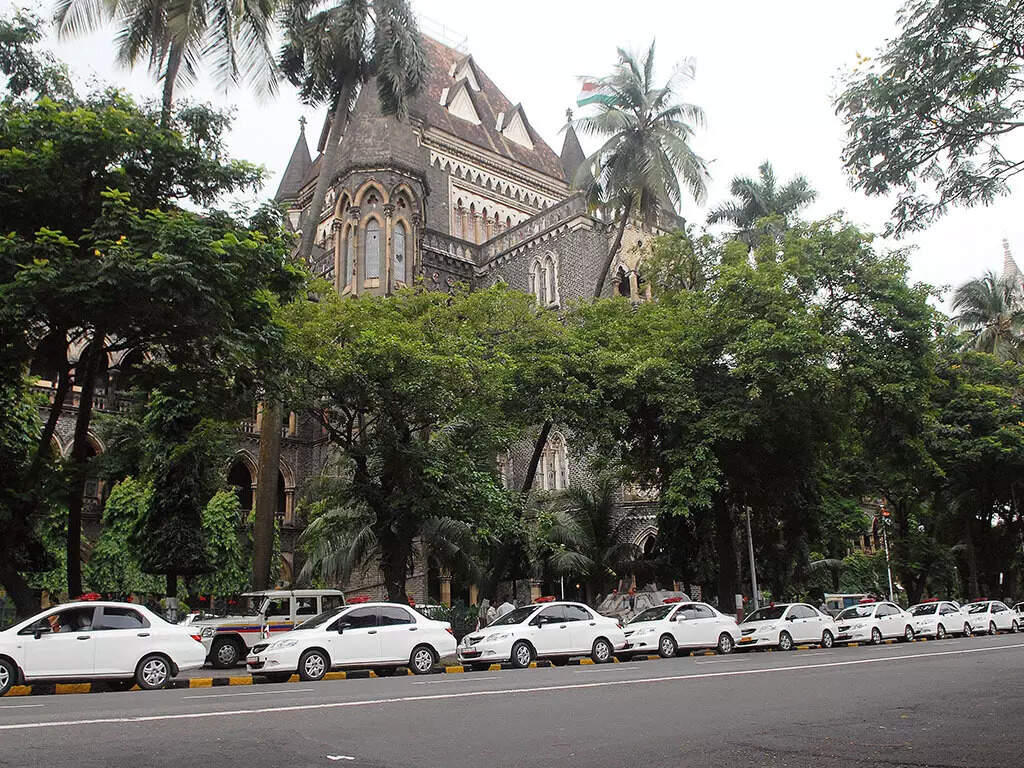
MUMBAI: The Bombay High Court recently overturned a Debt Recovery Tribunal (DRT) order that halted further post-sale actions regarding a bank’s auction of a flat in South Mumbai.
The Court noted a “disturbing trend” where borrowers and “chronic defaulters” often act passively while banks pursue recovery. These defaulters typically invoke “collusive proceedings” under insolvency laws only when it’s time for auction purchasers to take physical possession of the property.
In a ruling dated March 18, Justices Manish Pitale and Shreeram Shirsat expressed concern over the misuse of the Insolvency and Bankruptcy Code (IBC). They pointed out that borrowers often claim a moratorium takes effect as soon as proceedings are initiated in the National Company Law Tribunal (NCLT), which effectively stalls any actions taken under the Securitisation Act. “Chronic defaulters wear a cloak of immunity under the pretext of a moratorium,” the Court stated.
The High Court’s decision was welcomed by the buyers of a flat in Mazgaon, which had been auctioned off in December 2024 for ₹2.5 crore. The Court asserted that the bank’s auction process was valid as the moratorium was claimed only after the sale had occurred. The Union Bank had loaned ₹6.25 crore and issued a notice in March 2017 due to repayment defaults.
The Court remarked that chronic defaulters exploit the IBC to obstruct secured creditors and auction purchasers from proceeding in accordance with the Securitisation and Reconstruction of Financial Assets and Enforcement of Security Interest Act, 2002.
This judgment arose from a petition by the auction purchasers, who were being denied possession of the flat. Following two attempts for a one-time settlement in November 2019, a magistrate allowed the bank to take physical possession, which they did symbolically in November 2022, as the borrower did not challenge this.
The bank subsequently set auction dates but received no bids. After multiple unsuccessful attempts with OTS and auctions, the 10th auction held in November 2024 was contested by the borrower and guarantors before the DRT. The flat was auctioned on December 12, 2024.
In response, the borrower approached the NCLT to initiate insolvency proceedings, subsequently claiming that a moratorium should take effect once IBC proceedings are filed.
More litigation ensued, culminating in the Supreme Court, which on February 26, 2026, upheld the NCLT and its appellate tribunal’s decision to exclude the Mazgaon flat from the moratorium.
Counsel for the purchasers, Sidhart Samantaray, argued that the borrowers and guarantors were obstructing the process and denying access to physical possession. Charles Dsouza, representing the bank, supported this stance, while Kruti Bhavsar, representing the borrowers and guarantors, contended that the DRT’s order was lawful and that the moratorium had been triggered on October 6, 2025, prior to the auction by a creditor invoking IBC in Guwahati NCLT.
The High Court emphasized that the IBC was designed as a robust legal framework for timely resolutions, “enhancing the ease of doing business, attracting more investments, and contributing to economic growth and development.” However, it cautioned that chronic defaulters misuse the IBC to obstruct and paralyze necessary processes.