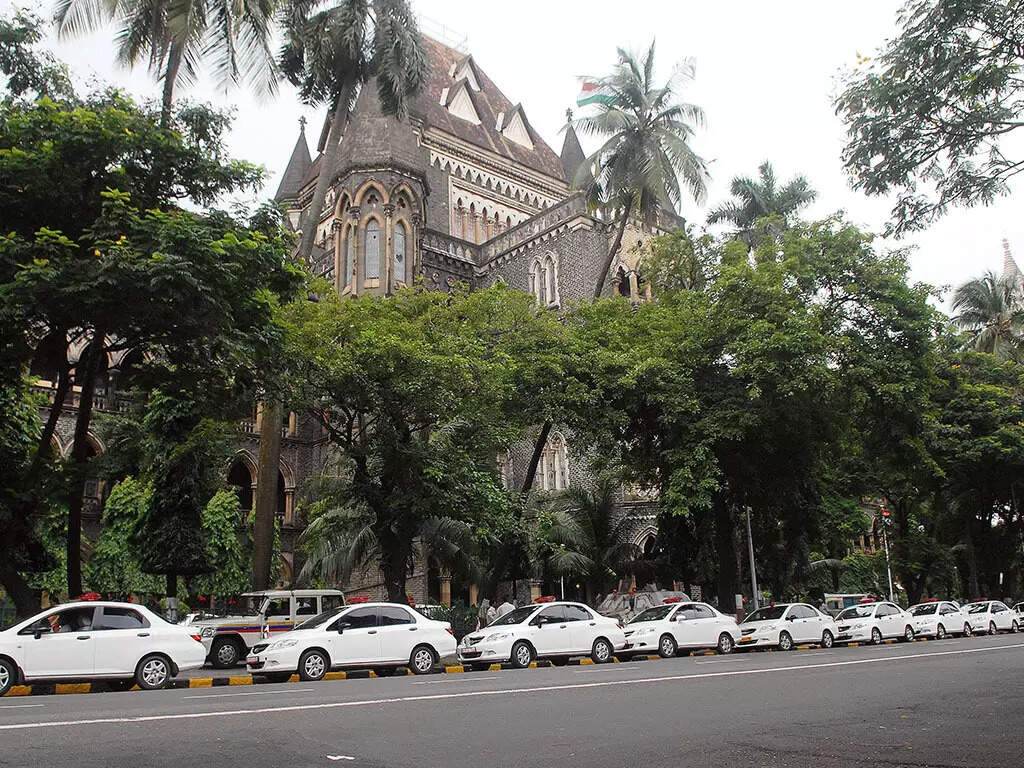
MUMBAI: The Bombay High Court criticized the divisional joint registrar of cooperative societies (Mumbai) for overturning an order that granted a man membership in a Peddar Road housing society.
On February 9, Justice Amit Borkar stated that the authority under the Maharashtra Co-operative Societies Act is responsible for membership regulation, clarifying that it is not a civil court dealing with inheritance disputes. “The revisional authority exceeded its jurisdiction by reversing the membership order based on grounds outside the limited scope of such proceedings,” he remarked.
In 1974, Pravinkumar Dave’s father nominated him as a minor for a flat and garage in Alpana CHSL, which was leased to a company. After the father passed away the following year, Dave requested membership from the society in 2002. As his request was denied, he approached the deputy registrar (D ward), who in February 2006 instructed the society to confer membership on him.
Both the society and a person claiming tenancy rights contested this order, appealing to the divisional joint registrar, who set it aside, citing “overwriting” in the nomination form. The registrar claimed that without an “unimpeachable and undisputed” nomination document, Dave could not be granted membership.
Dave’s attorney, Satyavan Vaishnav, noted that out of ten legal heirs, six had no objections to supporting Dave. One had passed away, and two did not object, leaving only one to challenge Dave’s claim. Justice Borkar emphasized that the legal position of a nominee is well-established. In 2016, the Supreme Court clarified that nomination does not confer ownership but allows the society or authority to interact with a designated individual post the member’s death.
Justice Borkar highlighted that Dave’s father did not leave a will, thus, succession should be shared among all ten legal representatives per the applicable personal law. The record indicated that “the majority of the heirs” were in support of Dave.
The membership grant order was contested not by the objecting heir but by the society and a tenant. “A tenant lacks the standing to challenge the internal arrangements among legal heirs regarding society membership,” stated Justice Borkar. Furthermore, the society did not dispute Dave’s eligibility as per the Act or byelaws. “Given these circumstances, the revisional authority should not have interfered with the membership grant order, particularly when any dispute was primarily inter se among the legal heirs,” concluded Justice Borkar, quashing the earlier decision.