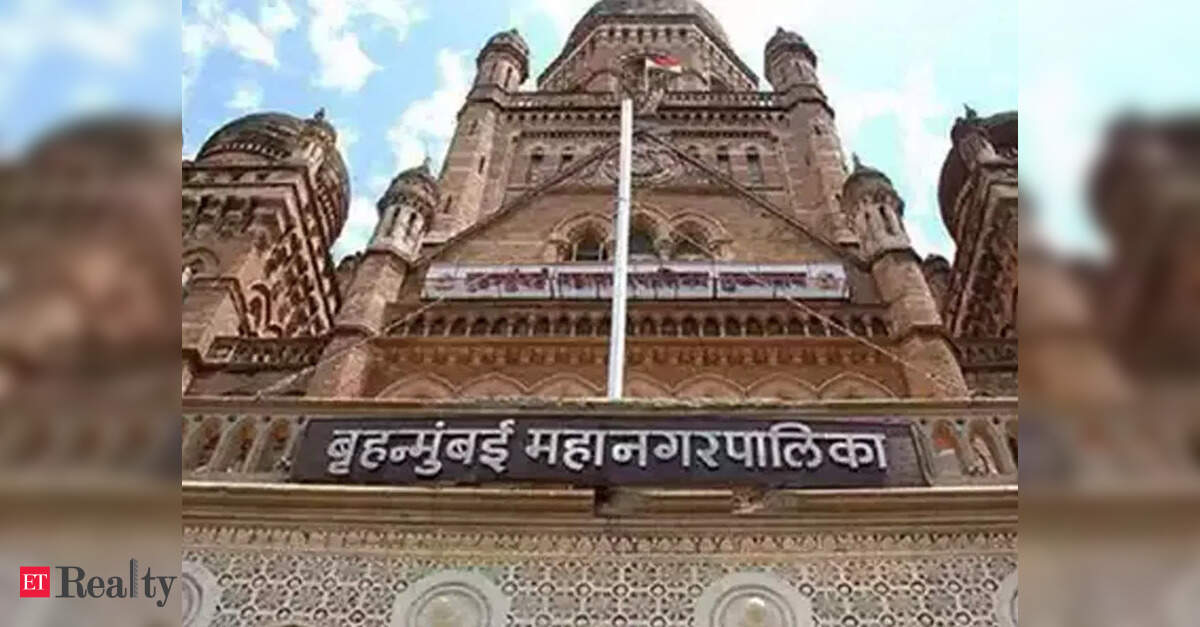
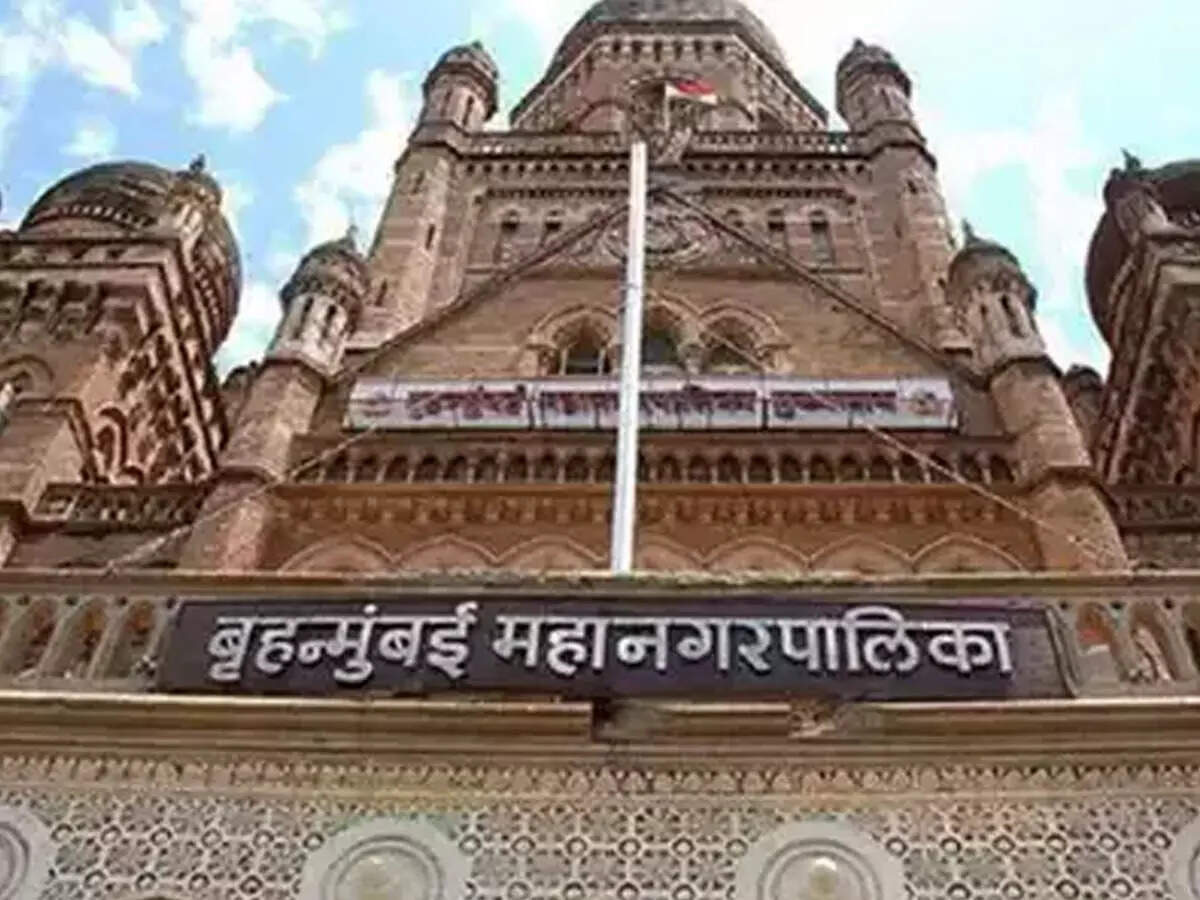
MUMBAI: The Brihanmumbai Municipal Corporation (BMC) unveiled a draft management plan for the Eco-Sensitive Zone (ESZ) surrounding Sanjay Gandhi National Park (SGNP) on Wednesday. While the document proposes measures to safeguard the 103 sq km green space, environmentalists express concerns that it might pave the way for industrial and real estate encroachment.
The draft cautions about “significant pressure on the environment,” flagging slums, quarries, and ready-mix concrete plants for monitoring. However, the establishment of three graded zones, according to critics, could facilitate industrial growth and new developments.
Relocation of Slums Suggested
The proposal identifies about 184.51 hectares of slums in Mumbai, Thane, and Mira-Bhayandar as part of the ESZ and recommends a detailed survey to find families eligible for rehabilitation—preferably on-site, with external relocation as a last resort. It explicitly prohibits the expansion of encroachments. Affected areas in Mumbai include Mulund, Bhandup, Borivali, Dahisar, Magathane, Andheri, and Goregaon.
The draft highlights ready-mix concrete (RMC) plants and construction-linked industries as primary pollution sources. Specific units in Dahisar and Jogeshwari were noted, along with 13 construction industries in Thane and five factories in Vasai-Virar that are detrimental to the eco-zone. These establishments must implement strict pollution control measures or relocate.
Regulations: What’s Permitted and What’s Not
The plan categorizes the zone into three sections:
**ESZ-1 (Settlement Zone):** This area allows for planned residential and commercial developments while forbidding new polluting industries, mining, and power plants. Existing wood-based units may continue operations, and penalties apply for the discharge of untreated waste into water bodies. Eco-friendly initiatives such as organic farming, agro-forestry, rainwater harvesting, skill development, and cottage industries are encouraged.
**ESZ-2:** This category permits the repair and redevelopment of existing village homes and limited new projects, contingent upon an approved Environmental Management Plan (EMP). Schools, hospitals, religious sites, and hotels will require EMP approval, while large commercial complexes, deforestation, new industries, waste dumping, and uncontrolled urbanization are prohibited.
**ESZ-3:** This most sensitive section encompasses mangrove and CRZ-1 areas, banning all construction, reclamation, agriculture, and aquaculture. Only regulated activities like tribal infrastructure, eco-tourism, and wildlife corridors may proceed with prior approval. A 10-meter green buffer along the park boundary is also proposed.
The draft introduces concepts such as eco-friendly business tourism to involve local communities in conservation efforts. “We seek public feedback on this draft before submitting it to the state government for final approval,” stated Sanjay Rathod, Chief Engineer of the BMC development plan department.
Activists Criticism
Environmental activist Stalin D criticized the draft plan, calling it “greenwashing.” He argued that it fails to provide robust safeguards despite claiming to enhance ecological conservation. “Harmful practices like land pre-filling are only regulated, creating loopholes for exceptions,” he said.
He further noted that the notification grants extensive powers to the BMC while limiting the forest department’s role, even in areas adjacent to the national park. “The forest department, which should oversee SGNP, is completely removed from the decision-making framework,” he added.