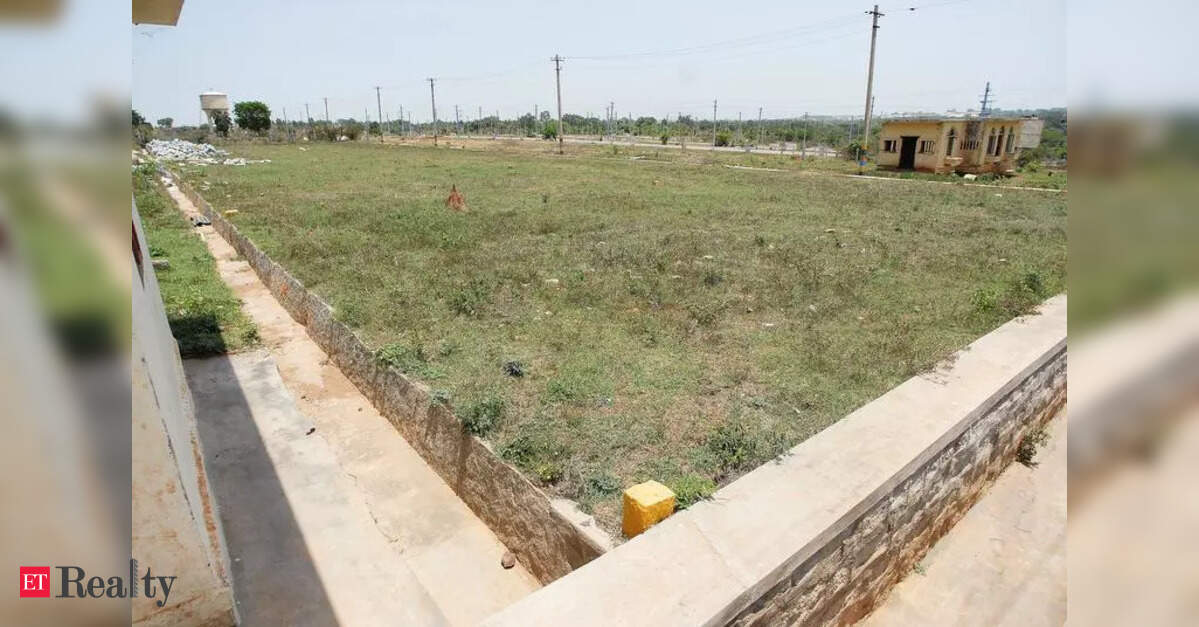

BENGALURU: The Bangalore Development Authority (BDA) has identified 258 unauthorized layouts within its jurisdiction as part of its initiative to combat illegal urban development. To educate citizens about proper construction and planning, the BDA is set to release a series of public interest notices. These notices will outline important details, including the definition of a layout, necessary approvals, and the authorities responsible for granting permissions.
The awareness campaign, expected to kick off in Budigere and its neighboring areas, has emerged in response to the ongoing conversion of agricultural and green belt lands into residential plots. The BDA has issued a warning that such plots are susceptible to demolition, advising potential buyers to verify all necessary approvals before making investments.
BDA Chairman NA Harris emphasized, “Illegal layouts cannot be established. Buyers should confirm approvals from the BDA or relevant authorities before purchase. Only when development is complete do we allow the right to sell. We want to inform the public that purchasing sites without proper documentation is a risk, as unauthorized sales lack legal validity.”
Last year’s survey by BDA officials revealed 278 unauthorized settlements and layouts in the area, cautioning citizens against investing in these developments. As of January 28, these unauthorized areas are primarily located in regions across Bengaluru East, South, and North, including taluks like Yelahanka, Anekal, and Jigani. The data indicates that a significant amount of agricultural land has been converted into residential plots without appropriate approvals. Many of these sites, though they feature infrastructure such as roads and drainage, still fall under agricultural green belt status, which makes them ineligible for A-Khata and at risk of future demolition.
A senior official noted, “These layouts predominantly originated on agricultural land without necessary approvals, disrupting organized development. The state government is currently developing guidelines allowing panchayat and GBA authorities to consider transitions from B to A-Khata following a defined process. With stricter khata regulations now enforced, such violations are expected to decrease, better safeguarding buyer interests than in previous years.”
However, activists caution that the government’s amnesty for B to A-Khata conversions may legitimize poorly planned unauthorized developments, leaving buyers and urban planning exposed to risks.
R Rajagopalan, convener of the Bengaluru Coalition, stated, “The recent amendment facilitating B-Khata to A-Khata conversions grants blanket amnesty to illegal layouts. For decades, these unplanned constructions have been allowed to proliferate with minimal enforcement. While conversion fees are intended to fund roads, drainage, streetlights, and civic amenities, badly planned layouts complicate post-occupancy provision. Low conversion rates threaten redevelopment, and this blanket amnesty appears more aimed at circumventing a Supreme Court ruling against unauthorized construction rather than improving planning. The BDA must advocate for a dedicated fund for conversion, publish a redevelopment strategy for these layouts, and ensure stringent enforcement.”