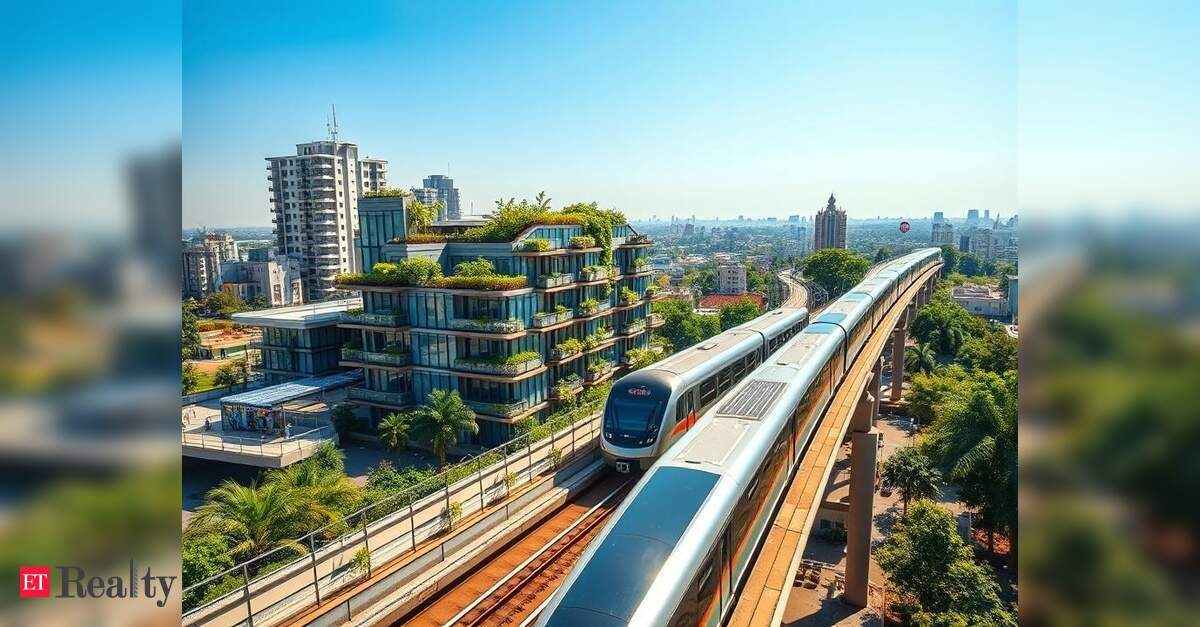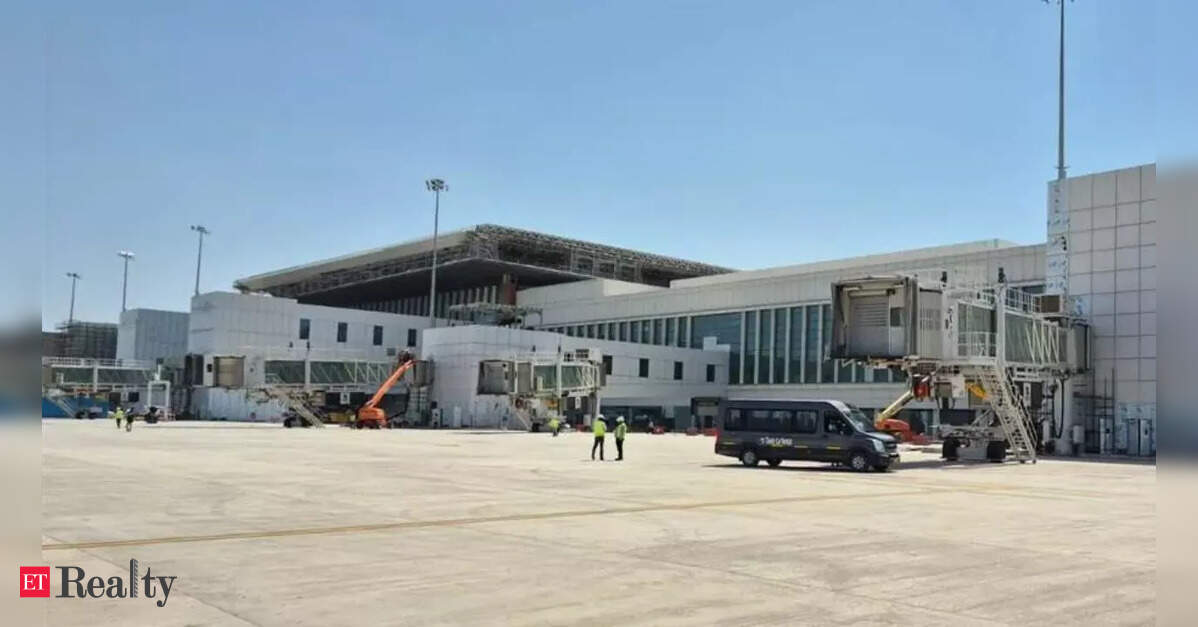
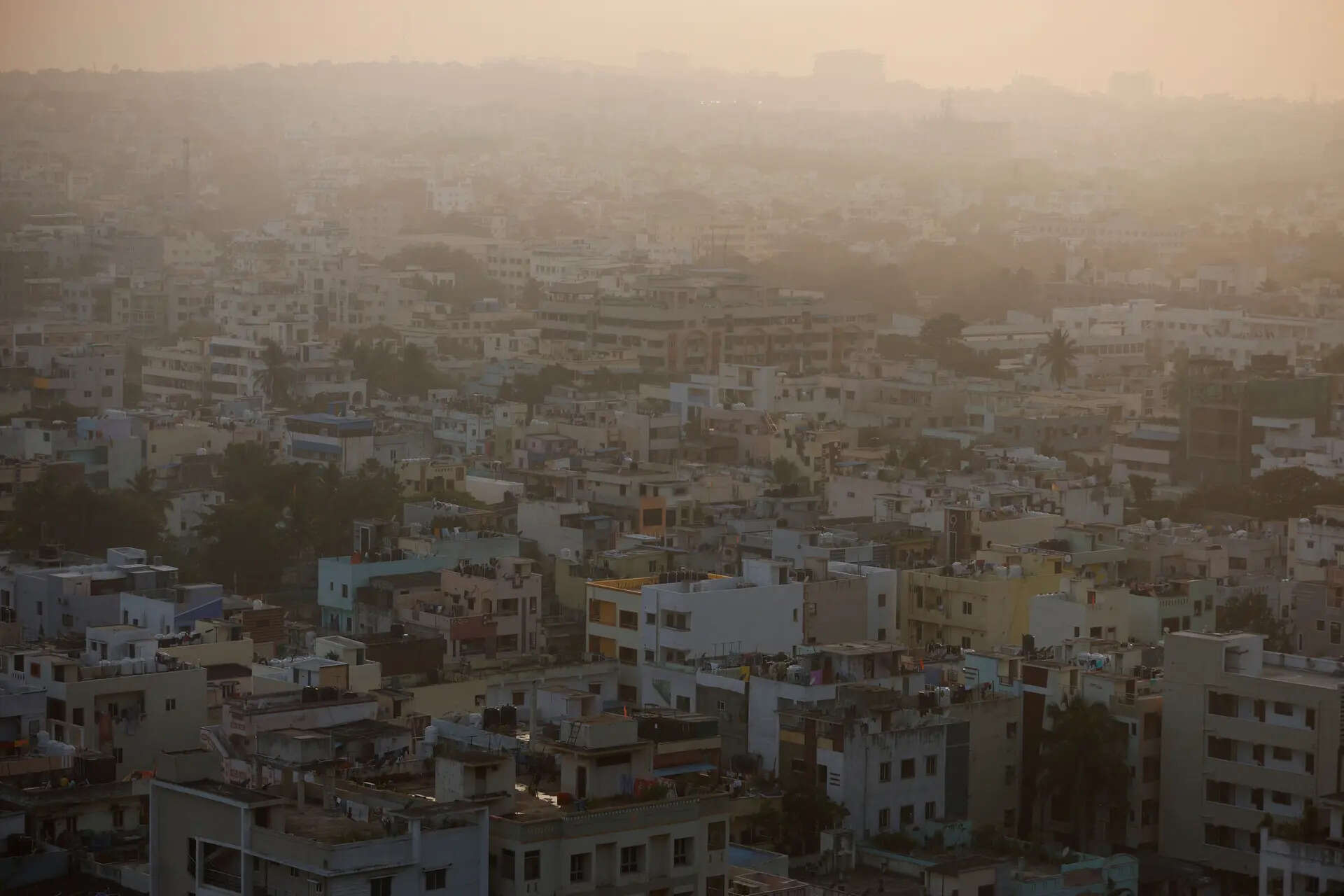
VISAKHAPATNAM: The NITI Aayog, through the Vizag Growth Hub initiative, has put forth a plan to develop a Bay City between Kailasagiri and Bheemili. This also includes the expansion of Vizag 2.0, reaching towards the upcoming Bhogapuram airport and the associated aerocity project.
A team from Andhra Pradesh, primarily from the Visakhapatnam Metropolitan Region Development Authority (VMRDA) and led by municipal administration and urban development principal secretary S. Suresh Kumar, visited Mumbai on January 12 and 13 to explore similar urban development models.
The visit aimed to gain insights into the operations of the City and Industrial Development Corporation of Maharashtra Ltd (CIDCO) and the Mumbai Metropolitan Region Development Authority (MMRDA) as financially self-sustaining entities. The Navi Mumbai and NAINA models were analyzed as benchmarks for the Bhogapuram aerocity and Vizag 2.0 projects.
VMRDA officials noted that the Maharashtra government has allocated significant tracts of land to regional development authorities, which enables them to monetize land, floor space index (FSI), and development rights to secure consistent revenue for infrastructure projects and urban development. Currently, CIDCO operates with an annual budget of approximately ₹14,000 crore, substantially generated from land and real estate revenues. In contrast, MMRDA finances metro lines and regional infrastructure through FSI premiums, land monetization, impact fees, and stamp-duty-linked charges.
Recently, NITI Aayog released a report titled ‘Developing Visakhapatnam Economic Region as a Global Economic Hub’, which encompasses nine districts from Srikakulam to Konaseema. The Visakhapatnam Economic Region (VER) has been chosen under NITI Aayog’s national growth hub initiative. Drawing from Mumbai’s experiences, Andhra Pradesh is finalizing two key reforms: a land value capture and monetization policy, along with a new slum rehabilitation and cluster redevelopment policy.
Principal secretary S. Suresh Kumar emphasized that the approach of Maharashtra—such as empowering MMRDA and CIDCO, monetizing government land, utilizing FSI, and establishing global business districts like BKC (Bandra-Kurla Complex)—will directly influence Andhra Pradesh’s initiatives to develop the Visakhapatnam Economic Region, Bay City, transit-oriented development corridors, and new growth hubs.
VMRDA metropolitan commissioner Tej Bharath pointed out that the Mumbai model illustrates how a regional authority can transform land into sustainable economic assets. “The Visakhapatnam Economic Region is designed on similar principles, aiming for master-planned growth centers and land-based financing, ensuring Vizag evolves into a self-sustaining metropolitan economy rather than being reliant on grants,” he stated.
The delegation was also introduced to Mumbai’s advanced urban revenue framework, which includes FSI and additional FSI premiums, property taxes on incremental built-up areas, stamp-duty surcharges, development charges on properties, and premiums on properties near metro stations.