AMRAVATI: To combat extreme heat and manage rising energy demand, the Amravati Municipal Corporation (AMC) has made ‘cool roofs’ a requirement for new buildings and introduced tax incentives for upgrading existing ones.
AMC officials noted that it is one of the pioneers in Maharashtra to enforce the Cool Roof Bylaws 2025, a part of the state government’s governance initiative. This policy incorporates heat mitigation strategies into urban planning and complements ongoing initiatives like the Majhi Vasundhara Abhiyan and national sustainable cooling programs, thereby enhancing climate resilience in the city’s building codes.
According to Municipal Commissioner Saumya Sharma Chandak, the installation of cool roofs is now mandatory for all new government, commercial, and public structures, along with residential and mixed-use buildings over 500 sq m or 15 meters in height. Compliance will be verified during the building plan approval process and inspected on-site before the issuance of the Occupancy Certificate. This requirement also applies to all municipal construction contracts.
To promote the use of cool roofs in existing buildings, AMC is providing property tax rebates of up to 10% for residential and public structures, and 5% for commercial properties, applicable for three years post-certification. A dedicated digital platform has been created for application, verification, and certification, allowing approved buildings to receive a “Climate Resilient Cool Roof Certificate” verified through QR codes.
The bylaws are informed by a 2024 Land Surface Temperature (LST) study which reported peak temperatures of 53.7°C in densely populated urban areas, with metal-roofed buildings frequently surpassing 47°C. Chandak attributes these extremes to rapid urbanization, increased building density, and heightened concretization, which have escalated urban heat island effects, increased cooling demand, and posed public health challenges.
Referencing studies conducted in partnership with C40 Cities, Chandak noted that cool roofs can substantially reduce indoor temperatures and enhance thermal comfort during extreme summer conditions. “This represents a shift from reactive measures to a proactive approach that integrates heat mitigation into central planning frameworks,” she stated.
AMC plans to conduct a follow-up LST assessment in 2027 to measure the effectiveness of these interventions compared to baseline data.
What is a cool roof?
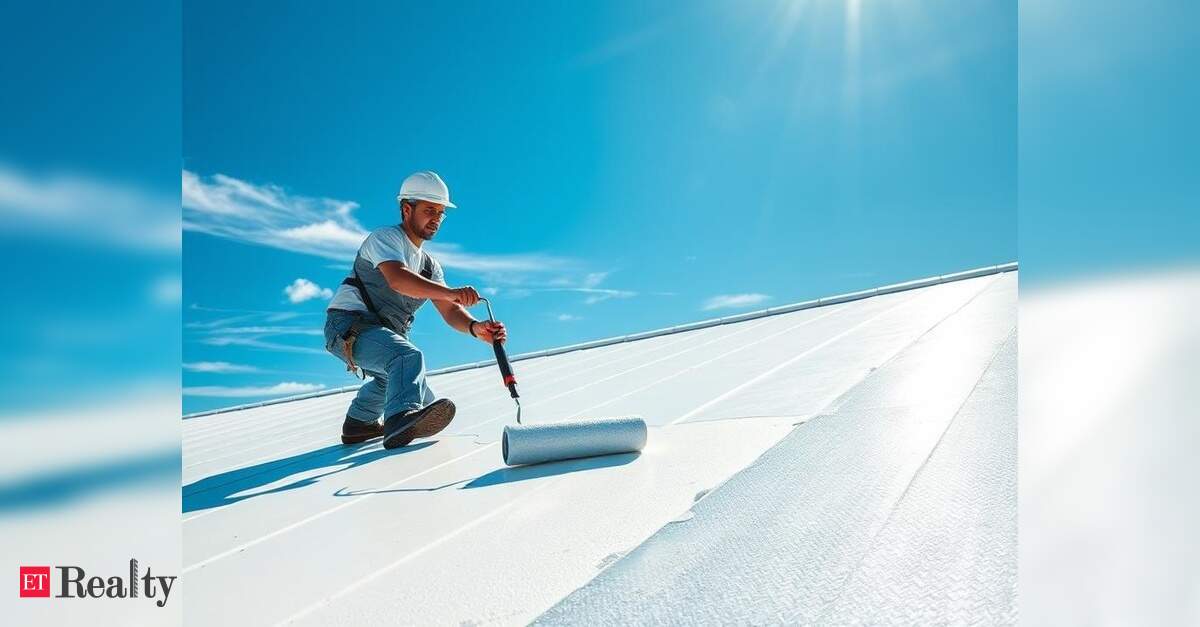
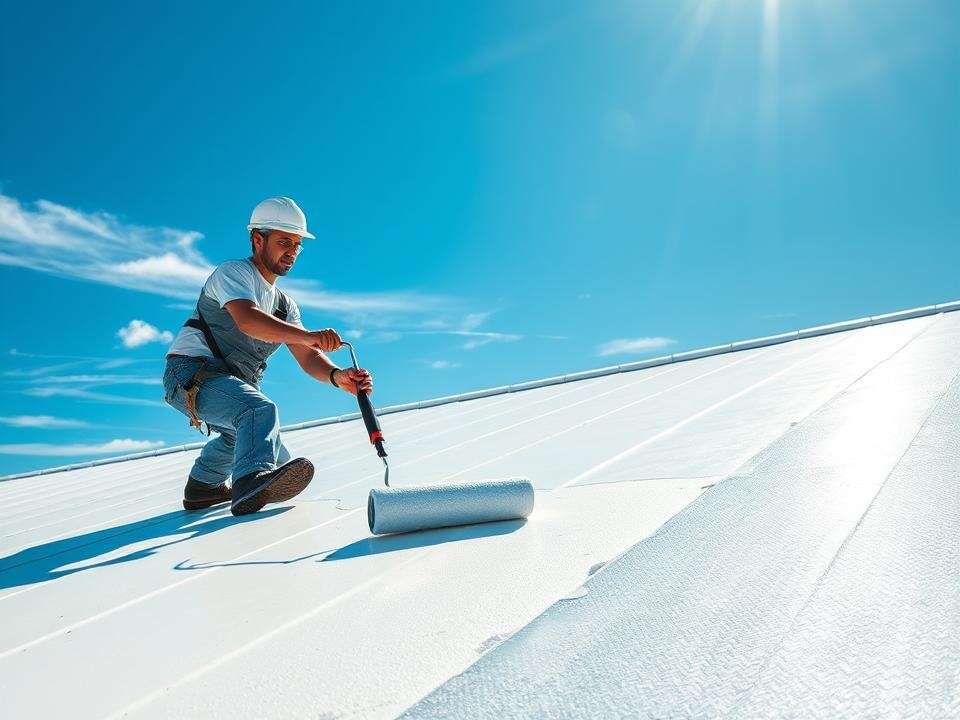
A cool roof utilizes materials like specialized reflective paints, tiles, or thermal membranes with a high Solar Reflectance Index, allowing the surface to reflect more sunlight and absorb less heat than traditional roofs. Studies indicate that cool roofs can lower peak ambient temperatures by approximately 2.3°C and surface temperatures by 6.1°C,” explained Soumya Sharma Chandak.