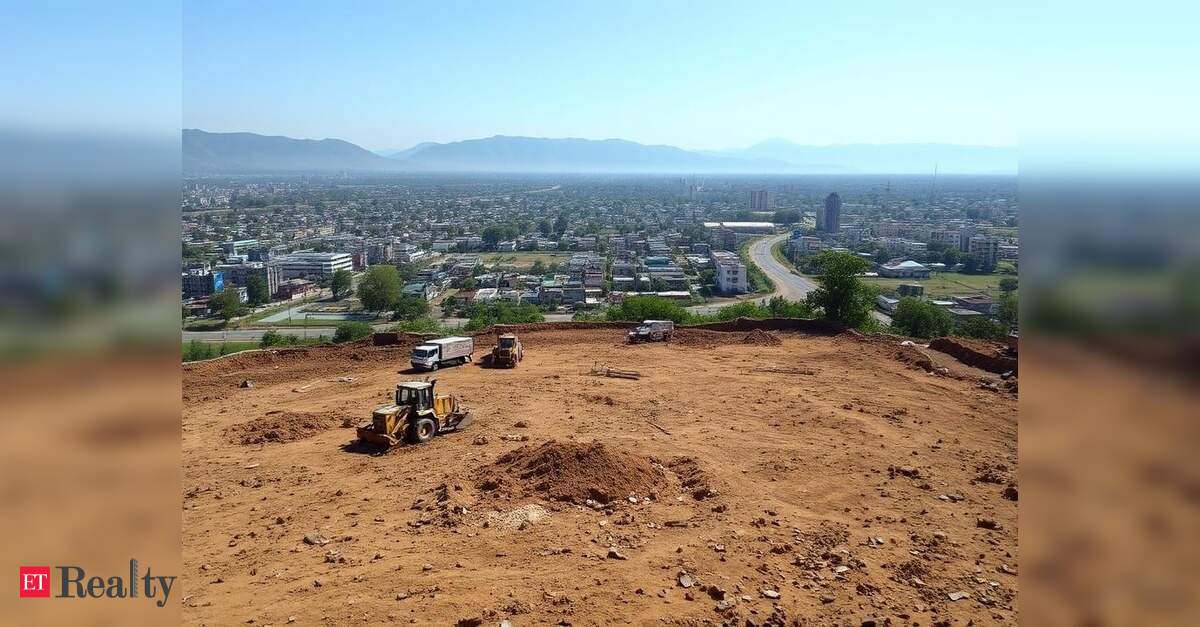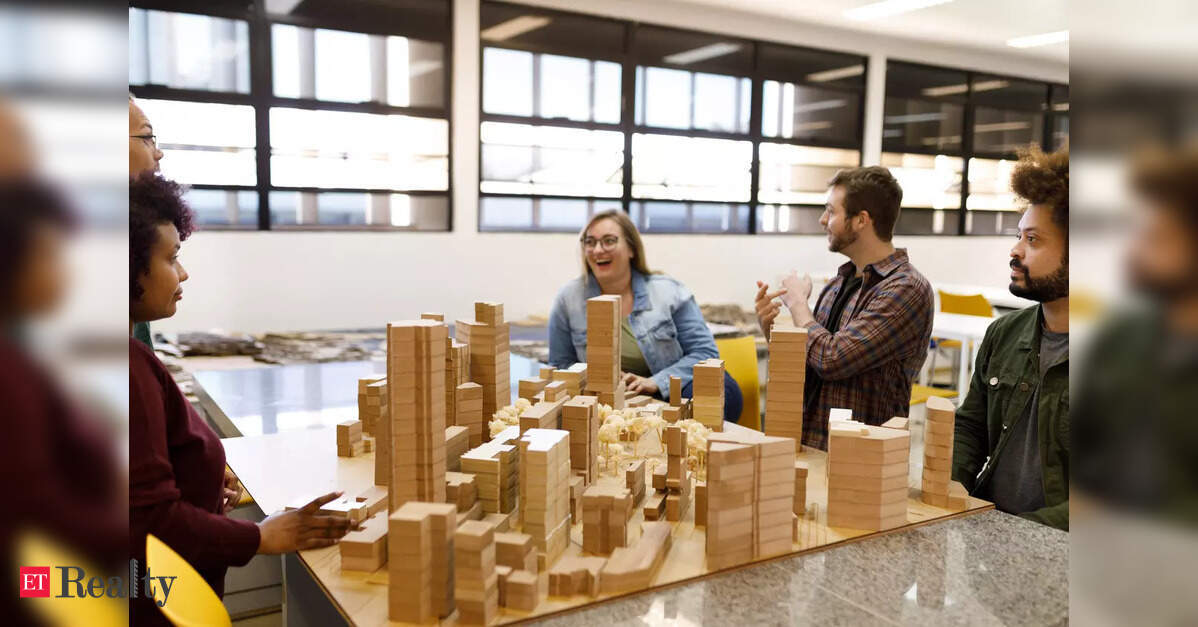

GHAZIABAD: After extensive drafting and four rounds of review over the past seven years, the Uttar Pradesh government has finally approved the unified Master Plan 2031. Covering an area of 33,543 hectares, the plan encompasses Ghaziabad, Modinagar, and Loni, and for the first time introduces Transit-Oriented Development (TOD) and Special Development Area (SAD) zones, facilitating a mixed-use model that promotes both residential and commercial growth.
Officials noted that the plan prioritizes population forecasts and the housing, workplace, and urban service demands that will arise from these projections.
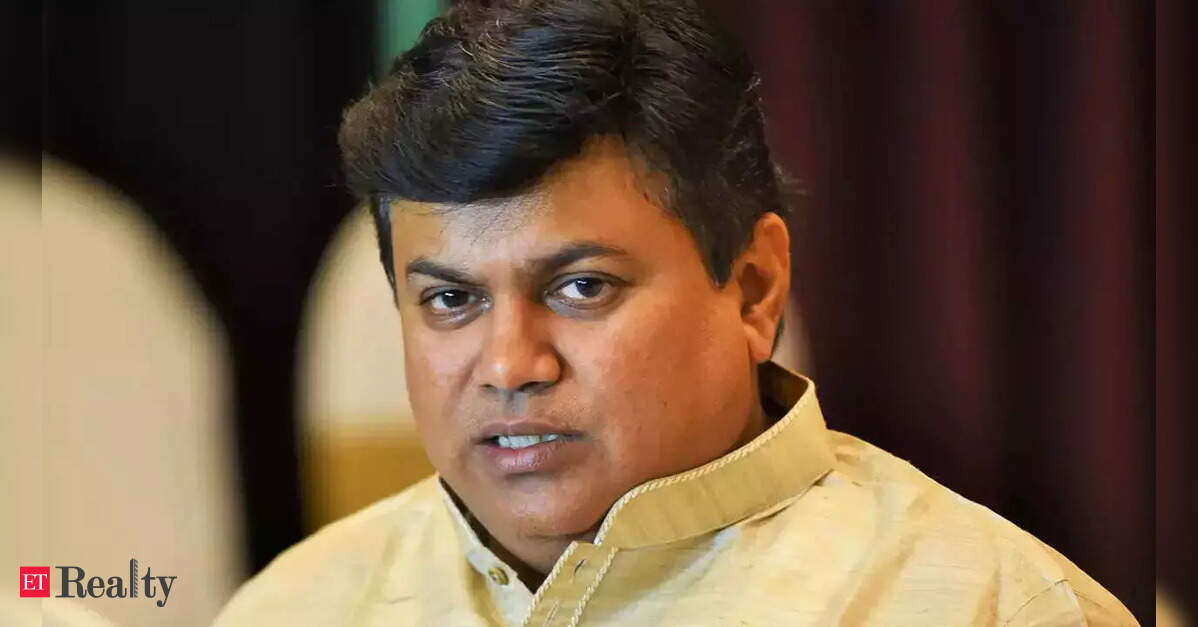
Based on the NCR Regional Plan, Ghaziabad’s population is projected to nearly double from 3.1 million in 2021 to 6.4 million by 2031. Atul Vats, vice-chairperson of the Ghaziabad Development Authority (GDA), emphasized the need for a comprehensive strategy to address this growth. “The Master Plan 2031 has been developed to cater to future requirements in housing, industry, and commerce, and allows for vertical growth through the relaxation of building regulations,” Vats stated.
A significant change in the plan is seen in land allocation. The residential land area has increased from 11,119 hectares in the previous plan to 12,869 hectares, representing 40% of the total land. Commercial space has risen from 646 hectares to 744 hectares (2.2%), while industrial zones will cover 3,531 hectares (11%), up from 3,074 hectares earlier. To balance rapid development, green spaces have also been prioritized, with nearly 6,086 hectares (19% of total land) designated for greenery. “Sustainable growth and environmental viability are critical, which is why green areas are an essential aspect of the plan,” Vats added.
Approximately 4,261 hectares within a 1.5 km radius of eight rapid rail stations in Ghaziabad, along with 616 hectares adjacent to the Delhi Metro Red and Blue lines, have been identified for TOD. These zones will allow higher floor area ratios (FAR), increasing from 1.5 to 5, and support mixed land use, creating compact urban hubs for living, working, and easy transit access. Additionally, a 909-hectare SAD has been designated around the Duhai rapid rail depot.
Manoj Gaur, chairman of CREDAI and head of its NCR chapter, commented that the plan, along with the new Uttar Pradesh Building Construction and Development Bylaws, 2025, has the potential to transform Ghaziabad’s real estate landscape. “Ghaziabad has traditionally fallen behind affluent neighbors like Noida in real estate development. However, with TOD, SAD, and increased FAR, this master plan presents an opportunity for growth and to unlock the city’s potential,” Gaur said.
Improved connectivity is a cornerstone of the plan, with the Delhi-Meerut Expressway, Eastern Peripheral Expressway, the forthcoming Delhi-Dehradun Expressway, and rapid rail and metro corridors enhancing the city’s appeal for development. “Previous policy hurdles have hampered the city’s progress. Now, with this plan and new bylaws, Ghaziabad is well-positioned to expand alongside its neighbors,” Gaur noted. While TOD offers the promise of connected urban development, some experts caution that many metro influence zones are already densely populated. “The areas around Sahibabad, Ghaziabad city station, and Modinagar are heavily developed. The real opportunities lie in relatively underdeveloped regions such as Guldhar, Duhai, and Muradnagar,” remarked real estate analyst Ashok Sinha.