
LUDHIANA: The newly established unified building regulations in Punjab are offering substantial benefits to residential property owners by significantly increasing the size threshold for compulsory rainwater harvesting systems. On-site composting of kitchen and garden waste is now a requirement for all plots measuring 500 sqm or larger.
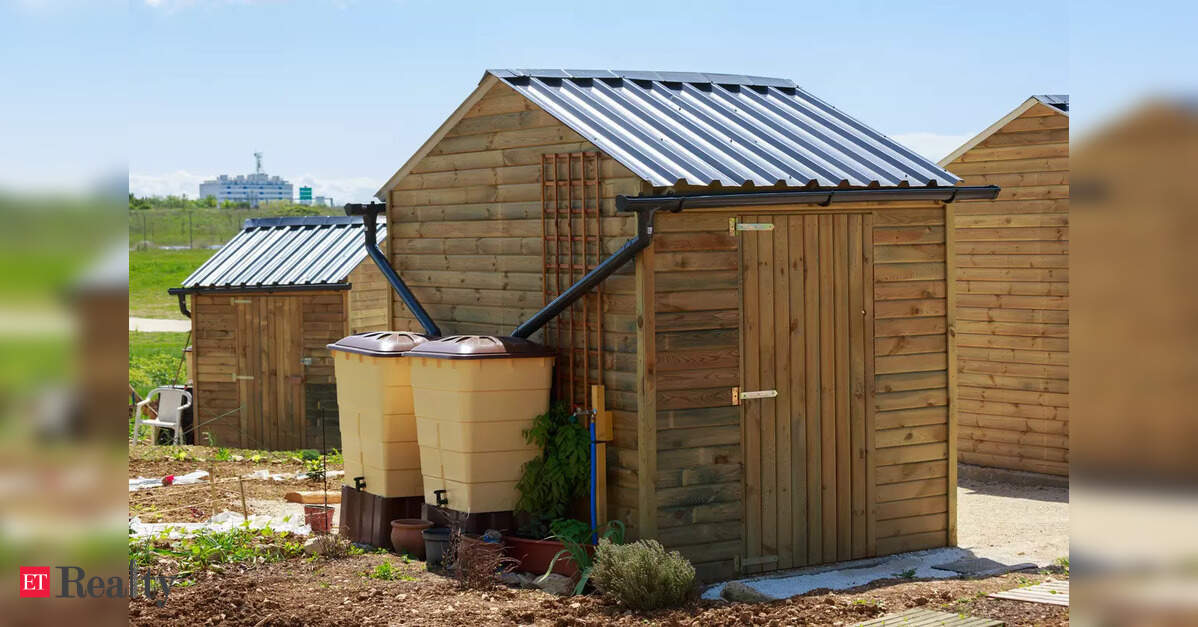
Under the revised rules, only residential houses exceeding 250 sqm must implement rainwater harvesting systems, up from the previous threshold of 100 sqm. In contrast, the commercial and industrial sectors will face stricter regulations, with a maintained threshold of 100 sqm to address the area’s diminishing water table.
Addressing the Water Crisis
As groundwater levels hit alarming lows, these new regulations aim to enhance natural recharge during the monsoon months. Additionally, the mandate now includes all government and semi-government structures constructed on plots of 250 sqm or more.
Key requirements for developers include using permeable surfaces to facilitate natural water absorption. Residents are encouraged to avoid solid concrete paving. Furthermore, infrastructure plans must clearly detail stormwater drainage systems, harvesting structures, and recharge wells. Government sites will specifically be mandated to install recharge pits to collect large runoff volumes.
The ‘Black Gold’ Initiative
To promote sustainable waste management, the new rules prohibit large properties from sending organic waste to the city’s overcrowded landfills. For plots of 500 sqm and above, on-site composting of biodegradable materials—such as kitchen and garden waste—is now mandatory. The compost produced, often dubbed “black gold” or humus, must be reused as fertilizer for green areas on the property.
The ‘Zero Waste’ Vision
The municipal corporation is adopting a “Zero Waste” approach, focusing on preventing waste generation rather than just managing it post-production. This strategy is based on the 3R principle: reduce (minimizing initial waste through better production and distribution), reuse (designing longer-lasting products), and recycle (recovering and conserving resources).
An official from the municipal corporation noted: “Zero waste goes beyond cleanup; it’s about rethinking product management to eradicate waste disposal into land, water, and air.” The success of these initiatives will depend on effective “segregation at the source,” a process that the city plans to enhance with improved collection facilities and a renewed public awareness campaign. While home owners benefit from more flexible regulations regarding water systems, the message to the commercial sector is clear: sustainability is now a necessity.