NAGPUR: The Maharashtra government has taken a significant step in land reform by officially regularizing numerous land parcels previously constrained under the Fragmentation and Consolidation of Holdings Act, 1947. This change is expected to benefit nearly 20 million citizens. Revenue Minister Chandrashekhar Bawankule announced the implementation of this long-awaited amendment following the issuance of a government gazette notification on Tuesday.
Describing it as a momentous and citizen-focused reform, Bawankule stated, “Approximately 4.9 million landholders—representing around 20 million family members—will now have their names officially listed on 7/12 land extracts. This decision resolves decades of confusion and challenges posed by antiquated laws.”
The amendment exempts non-agricultural (NA) lands from the Fragmentation Act, allowing all transactions conducted between November 15, 1965, and October 15, 2024, to be processed as regularized without any associated fees. “Transfers made within this 59-year timeframe will be recognized as legitimate at no cost,” Bawankule confirmed, noting that the Revenue Department will release a comprehensive operational framework within a week.
This new reform addresses long-standing issues for layout plot holders who lacked official land documentation. With the new ordinance in effect, land ownership for such buyers will be documented alongside original owners, making property rights and documentation more straightforward.
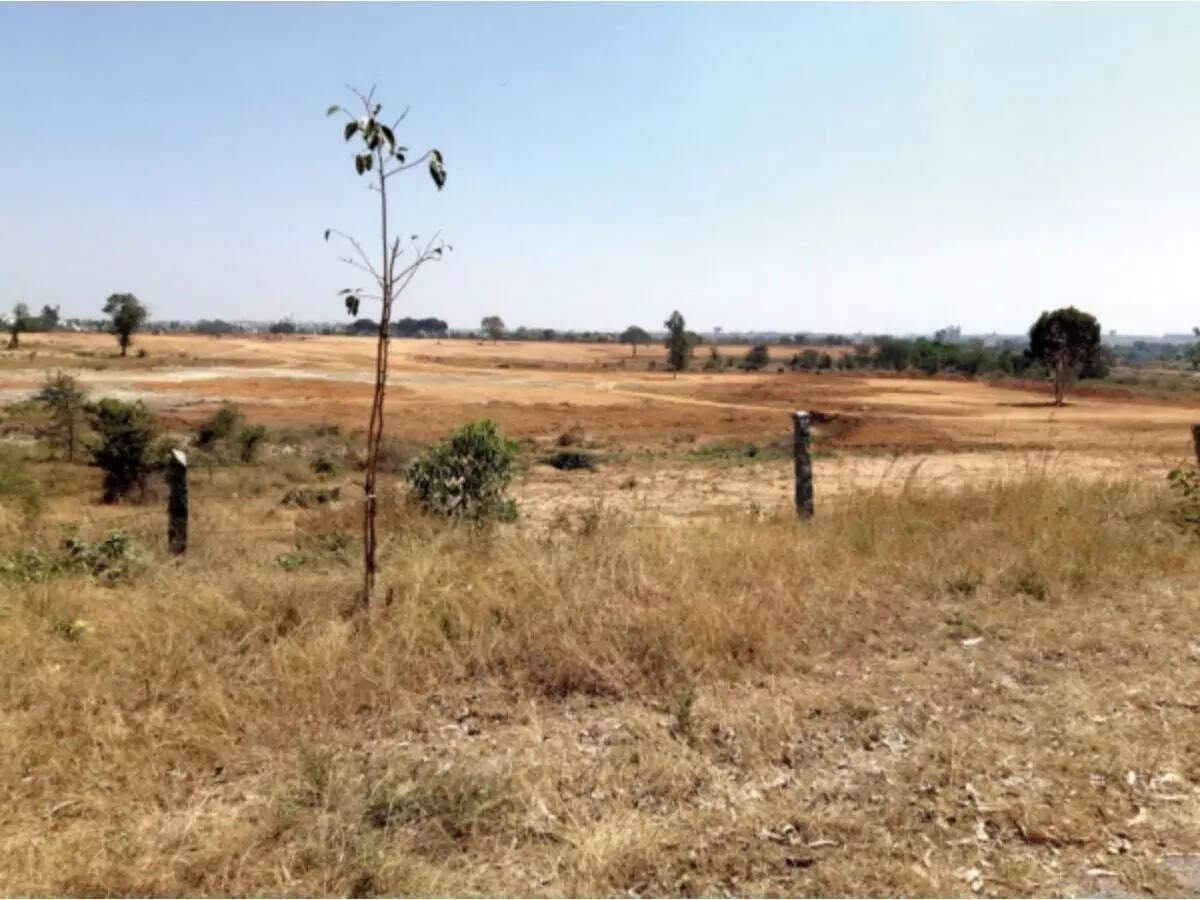
Originally aimed at preventing unproductive agricultural fragmentation, the Act was not designed for urban areas. However, as urbanization increased, individuals began purchasing smaller plots for residential and commercial developments, leading to roughly 4.9 million irregular transactions. The government’s decision, effective from November 3, 2025, will retrospectively regularize all such transactions.
Under the new ordinance, registered sale deeds will automatically confer ownership recognition in the 7/12 records, while holders of unregistered documents must complete registration with sub-registrars to assert their ownership rights.
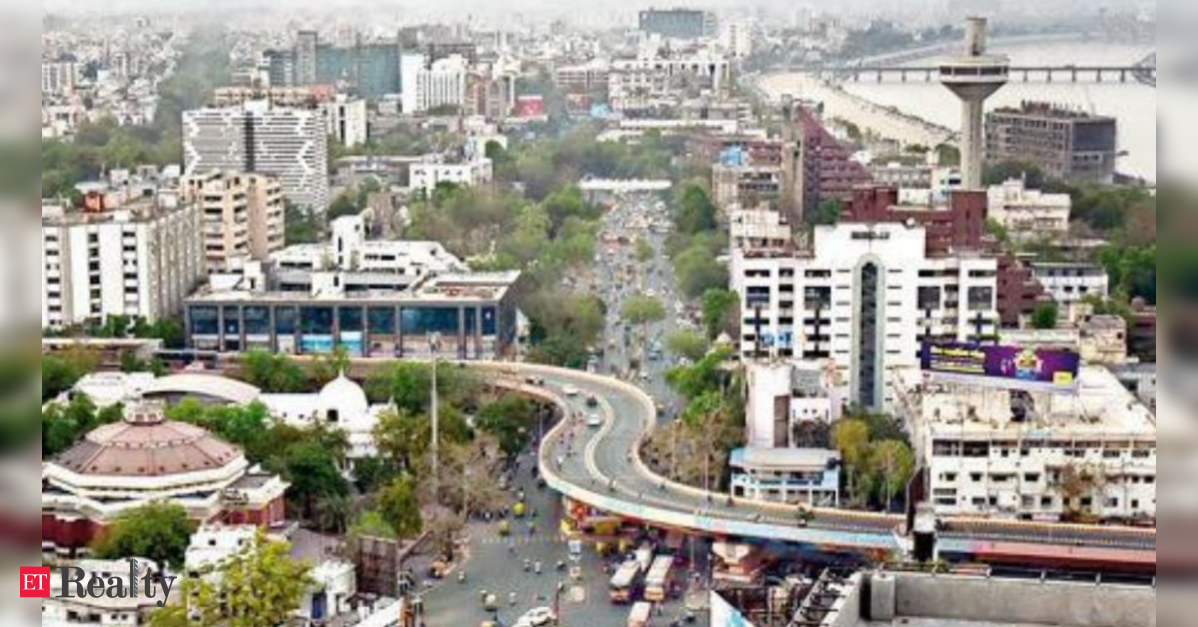
This reform applies to all urban and peri-urban areas where non-agricultural use is allowed per regional planning regulations, including the Maharashtra Regional and Town Planning (MRTP) Act and local planning authorities like MMRDA, PMRDA, and NMRDA. It extends to various local entities, municipal councils, and special planning authorities operating under Unified Development Control and Promotion Regulations (UDCPR).
Bawankule emphasized that this initiative aligns with the government’s broader strategy to simplify complex regulations and reduce bureaucratic obstacles. “Following Chief Minister Devendra Fadnavis’s guidance, we are overhauling rigid laws to create a more citizen-friendly governance framework. Our goal is to establish a revenue system in which individuals need not visit government offices even once,” he stated.