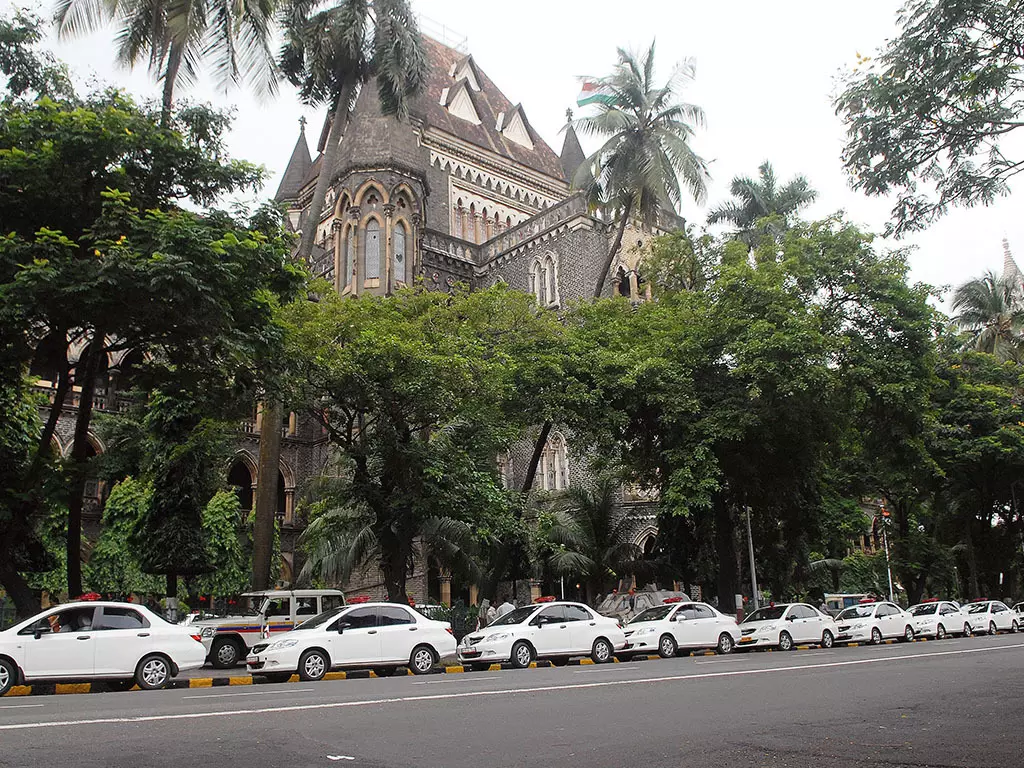
In a significant development for real estate developers, the Bombay High Court’s Goa bench has determined that no goods and services tax (GST) is due on construction services under a joint development agreement (JDA) once the developer takes ownership of the property through conveyance.
This ruling resolves a longstanding controversy regarding the point of taxation in JDAs, where the revenue department argued for GST applicability at the time of signing the agreements, while developers contended that liability should only arise upon the transfer of the completed property. This judgment is poised to bring much-needed clarity to developers involved in JDA-based projects, which are prevalent in land-scarce markets like Mumbai, Bengaluru, and Hyderabad.
A division bench comprising Justices Bharati Dangre and Nivedita P Mehta issued the order on August 21. The case was brought forth by Provident Housing, which contested a tax demand related to construction services under a JDA and sought a refund of ₹7 crore that it had paid under protest.
Legal experts suggest that this ruling will help clarify the GST treatment in redevelopment transactions.
“This ruling highlights the necessity of aligning GST liability with the actual transfer of property rights, thereby reducing uncertainty for developers. It reinforces that JDAs cannot be taxed upfront if the developer becomes the property owner—a position with broader implications for the real estate sector,” stated Abhishek A Rastogi, founder of Rastogi Chambers.
He added that developers are currently expected to pay 18% GST for such arrangements with landowners, and they might not always be eligible for input tax credit, resulting in tax cascading. Developers typically include this cost in the overall price to recoup from homebuyers, who ultimately shoulder the burden.
With the majority of land transactions now structured as joint development projects—due to landowners favoring revenue sharing—this decision will increasingly affect project expenses and pricing strategies. Experts warn that this could impact affordability in markets already grappling with high property prices.
The revenue department initially asserted that GST was applicable upon signing the JDA, citing provisions from the CGST Act and related notifications. However, during proceedings, the department acknowledged via an affidavit that liability would arise only upon the transfer of possession or rights to the completed property.
The court highlighted that after the JDA’s execution, the landowner transferred the entire parcel to Provident Housing through a formal conveyance, thereby nullifying all claims under the original contract by mutual agreement. As the developer acquired ownership of the property, the bench noted that no GST liability could emerge from the preceding JDA.
This ruling is expected to influence similar disputes pending in various tribunals and courts, as joint development agreements continue to be a favored structure for releasing land parcels across India.