
VIJAYAWADA: The Andhra Pradesh government has announced extensive reforms to its building regulations aimed at boosting construction activities and attracting investments. Key changes include phased fire clearances for high-rise developments, flexible setback norms, installment-based payment options for infrastructure fees, and enhanced transferable development rights (TDR).
Aligned with the Centre’s deregulation initiatives in 23 priority sectors, this overhaul is expected to expedite approval processes and reduce compliance burdens, significantly benefiting the state’s real estate and construction industries.
One notable reform is the implementation of phased fire approvals for high-rises. Developers can now obtain initial permissions to start construction for buildings up to 24 meters tall (including the stilt floor) while waiting for the mandatory fire no-objection certificate (NOC) required for structures exceeding that height. However, to maintain safety standards, full structural designs and stability certificates must cover the complete proposed building from the beginning.
In an additional relief for developers, city-level infrastructure impact fees can now be paid in six equal installments over three years, easing financial strain on both residential and commercial projects. The government has also introduced a clear process for revalidating expired building permits, allowing stalled projects to resume without extensive delays.
Under the new regulations, buildings of 24 meters and taller—including the stilt floor—are classified as high-rises. Importantly, dedicated parking floors will no longer count towards setback calculations but will still be considered for fire safety, environmental regulations, and structural approvals. Setback rules have also been updated based on plot size and building height, which enhances flexibility, particularly for smaller residential projects.
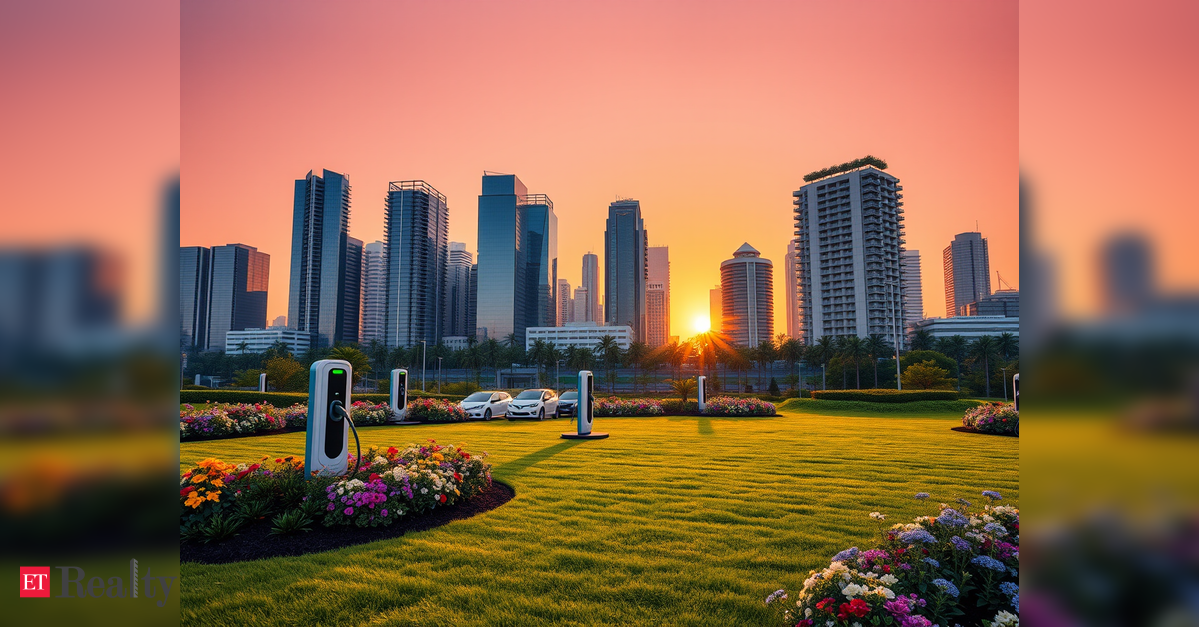
The revised guidelines mandate that all commercial complexes and residential townships with more than 5,000 square meters of built-up area must include electric vehicle (EV) charging infrastructure. Additionally, group housing projects with 100 or more units are required to offer shared amenities such as daycare facilities, clubhouses, retail areas, and gyms.
High-rise buildings with a minimum of 10 floors are now allowed to include environmental deck levels for gardens and recreational spaces, while service floors are permitted to simplify the maintenance of utilities.
Principal Secretary Suresh Kumar stated that these reforms signify a shift towards a more transparent and risk-based regulatory framework, tailored to the size and risk profile of the developments. He emphasized that the new measures will foster greater consistency in implementation across urban local bodies (ULBs) and urban development authorities (UDAs).
The government has also exempted buildings solely for public worship—such as temples, churches, and mosques—from building permit fees and associated charges, as long as they contain no commercial elements. Nevertheless, applications will continue to be processed via the online building permission system, following the required plans and documentation.