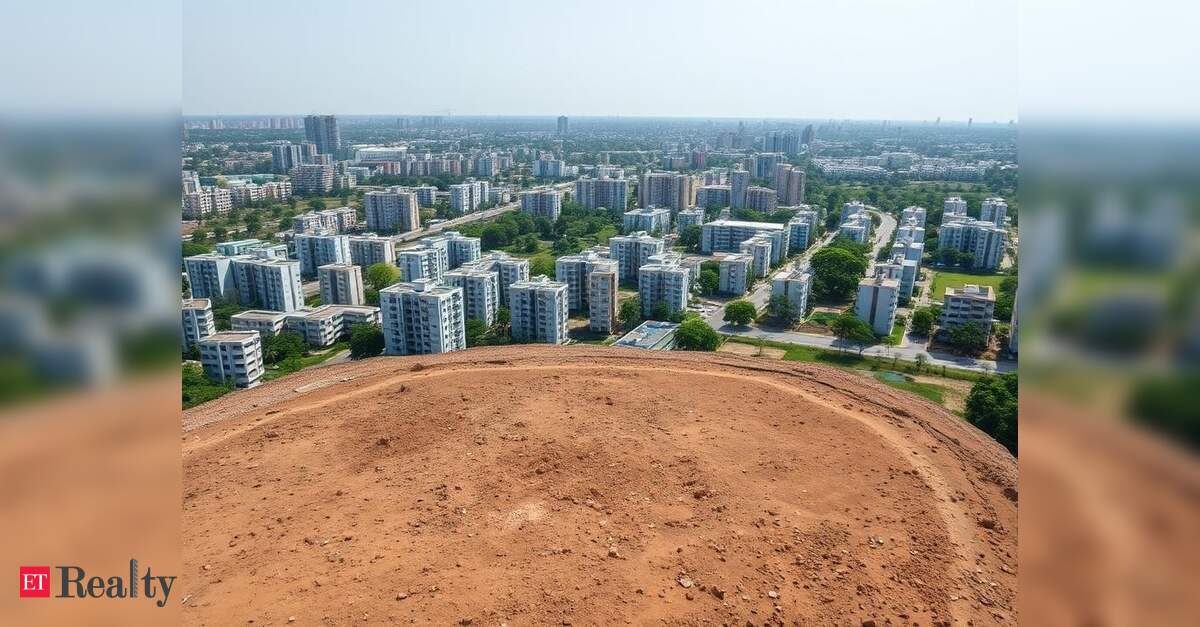

NEW DELHI: The Delhi Pollution Control Committee (DPCC) has announced that all construction and demolition projects must submit regular compliance reports, install air quality sensors, and provide live camera feeds for real-time monitoring as part of the upgraded Dust Portal 2.0.
To enhance oversight of dust pollution from construction activities, the DPCC has released a user manual for the new version of its Dust Pollution Control Self-Assessment Portal.
All construction and demolition projects occupying a plot of 500 square meters or more are mandated to register on the platform, which aligns with directives from the Commission for Air Quality Management (CAQM).
This portal aims to digitize compliance monitoring, allowing project proponents to self-register sites, map site boundaries using GIS technology, submit self-audit reports, and upload necessary documents and images. It also incorporates real-time tracking of PM2.5 and PM10 levels along with live surveillance of project areas.
Registered project proponents must submit a Self-Audit Assessment Sheet every 15 days, covering 12 compliance metrics, including green net coverage, water sprinkling measures, covering construction material stockpiles, tyre-washing facilities, installation of anti-smog guns, air quality sensors, CCTV monitoring, waste disposal protocols, and worker awareness programs.
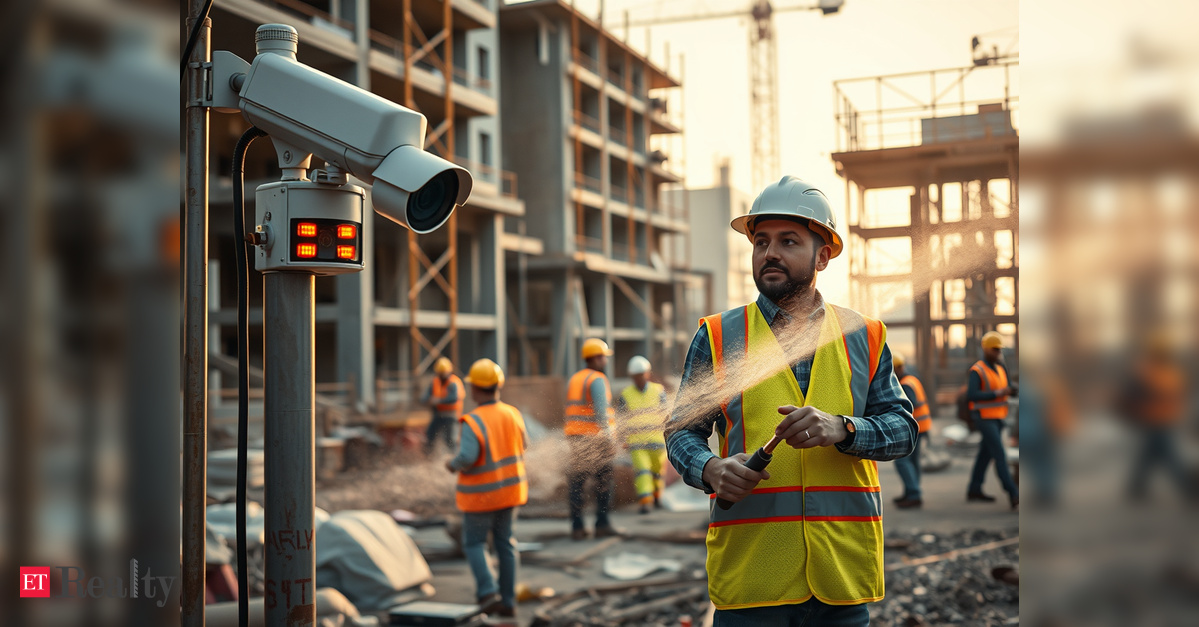
The manual outlines specific camera installation guidelines for construction sites to ensure compliance. Failure to provide complete or timely submissions may result in show-cause notices from the DPCC.
A significant feature of the portal is the GIS-based mapping of construction sites. Existing users of the previous DPCC portal must complete a one-time migration to digitally mark the exact boundaries of all registered projects before using the new dashboard.
The system automatically determines the number of needed anti-smog guns based on the site’s built-up area: one for areas between 5,000 and 10,000 square meters and four for areas exceeding 20,000 square meters.
Furthermore, all registered sites must install PM2.5 and PM10 sensors for ongoing air-quality monitoring and provide live CCTV feeds via RTSP links for remote surveillance by pollution authorities.
The portal also features tracking for compliance status, departmental communications, and responses to show-cause notices issued by the DPCC.
The DPCC recommends using Google Chrome or Microsoft Edge for platform access and has set up technical support, including OTP-based registration and password recovery options.
Officials stated that the DUST Portal 2.0 marks a significant advancement toward technology-driven environmental governance, aiming to enhance air quality and reinforce pollution control in Delhi.
This upgraded portal is part of a larger effort to improve compliance monitoring and reduce dust emissions from construction projects, a major contributor to air pollution in the capital.
Previously, officials indicated that the portal would integrate PM sensors, AI cameras, and Continuous Ambient Air Quality Monitoring (CAAQM) stations to evaluate the impact of each construction site on PM2.5 and PM10 levels.
The platform will also include a three-tier AI-based alert system for timely interventions.