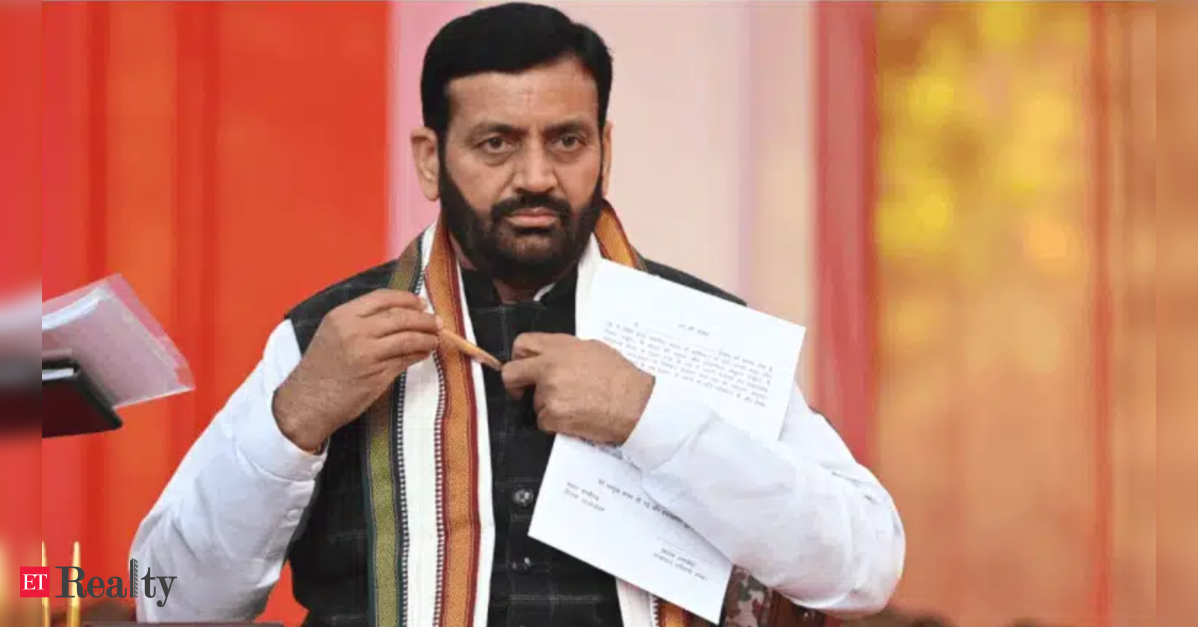
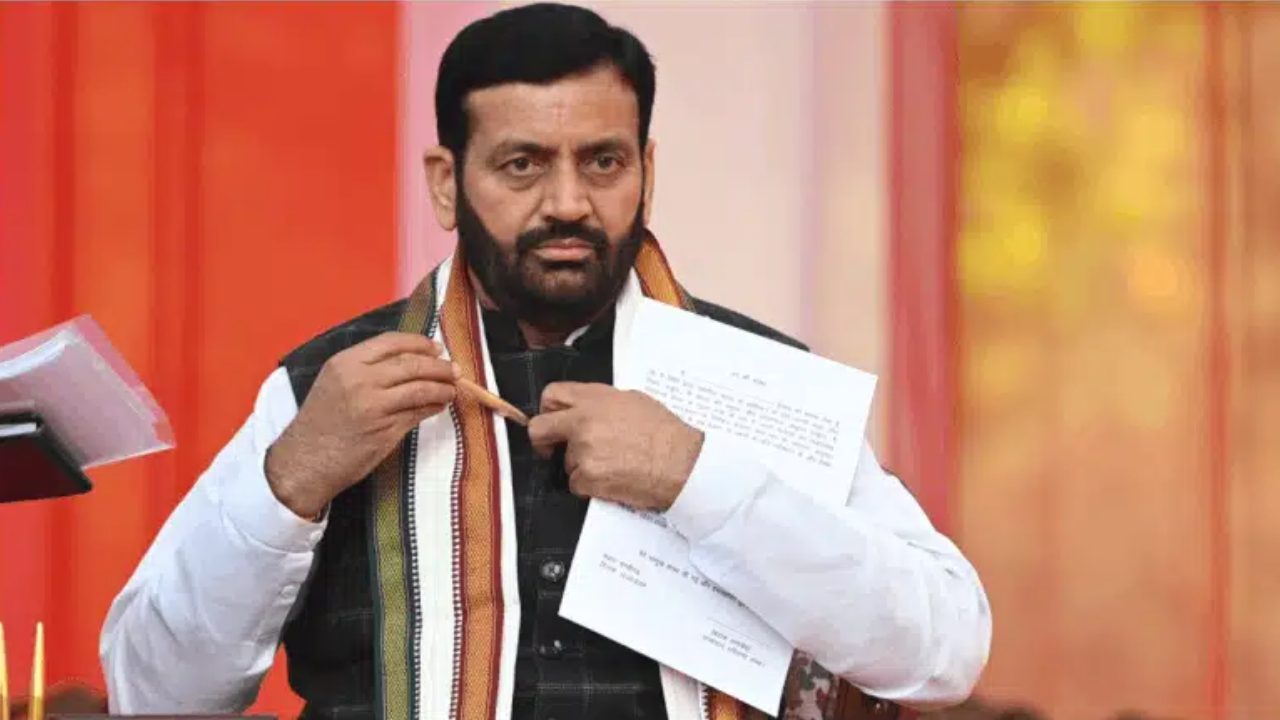
CHANDIGARH: Haryana Chief Minister Nayab Singh Saini announced on Tuesday plans for the development of cities in the state to meet future needs and streamline essential services, reducing the need for citizens to visit multiple offices for problem resolution.
The Chief Minister made these comments during a review meeting at the Haryana Civil Secretariat, focusing on the Urban Local Bodies Department’s five-year roadmap and action plan under Haryana Vision-2047.
He assessed the progress of announcements made by the Chief Minister, budget allocations, and commitments stipulated in the government’s manifesto pertaining to the department and instructed officials accordingly.
To realize the goal of Viksit Bharat 2047, he emphasized that Haryana’s cities would experience a significant development surge over the next five years. A pilot project for 24×7 drinking water supply will be implemented in Gurugram and Faridabad. Additionally, multilingual touch-screen kiosks will provide information on urban development schemes and free Wi-Fi will be offered in urban regions. The Chief Minister urged officials to accelerate the tendering process and take prompt action.
An Integrated Super App for urban residents is also in development, linked to Property IDs. This will facilitate the payment of property taxes and water bills, as well as allow users to register and monitor grievances related to municipal services via their mobile devices. The app will further enhance services for senior citizens and connect to services of other government departments.
The Chief Minister highlighted the importance of improving groundwater levels through rainwater harvesting and mandated that such systems be implemented in all government structures and residential properties exceeding 250 square yards in urban settings. Urban Local Bodies Commissioner Sh. Ashok Kumar Meena reported that 120 rainwater harvesting systems have already been installed in Gurugram, with 300 more planned across 50 urban localities.
Saini additionally instructed the department to establish large-scale rainwater harvesting systems in districts prone to severe waterlogging during monsoon season.
He proposed planting one lakh saplings during the monsoon season under the ‘Ek Ped Maa Ke Naam’ campaign, emphasizing installation of appropriate tree guards and ensuring staff is assigned for regular care and maintenance. Of these, 20,000 saplings will be planted specifically in Gurugram.
The Chief Minister also detailed plans for wall murals, city beautification, the development of green areas, tree trimming, and laying tiles on vacant lands adjacent to sidewalks.
Reviewing progress on Waste-to-Energy plants planned for Gurugram, Faridabad, Hisar, Yamunanagar, and Ambala, he underscored their significance and urged officials to initiate work promptly. These plants are expected to facilitate scientific waste disposal while also generating compost and electricity. The Chief Minister also evaluated urban drainage projects in Rohtak, Bahadurgarh, Jhajjar, and Yamunanagar, directing timely implementation.
Furthermore, he tasked officials with developing Panchkula, Gurugram, Faridabad, and Sonipat as themed cities under the Sister City initiative, incorporating global best practices into these urban centers.
Other directives included establishing a state-level training center for elected representatives and government officials, constructing additional public toilets as needed, developing accessible parks for individuals with disabilities, and launching mobile clinic services in underdeveloped urban areas. He stressed the need for developing multi-level parking facilities throughout urban locales for citizen convenience.
Saini also announced plans for a 5,000-acre greenfield city, named Namo City, to be developed along the KMP corridor, directing officials to identify suitable land for the project. Additionally, he outlined necessary instructions for the proposed Wedding City in Pinjore.
The Chief Minister insisted that residents of regularized colonies must be provided with essential civic amenities such as water supply, electricity, and adequate road infrastructure. Measures were also emphasized to prohibit the establishment of new illegal colonies. In response, Commissioner Ashok Kumar Meena indicated that development projects worth ₹838 crore will be initiated in regularized colonies across the state, with tenders already awarded in several districts while others are in the process.