NEW DELHI: A joint report by KPMG in India and NAREDCO indicates that India needs to refocus on affordable housing, rental reforms, and enhanced homebuyer protections for the real estate sector to reach an estimated value of $5.8 trillion by 2047.
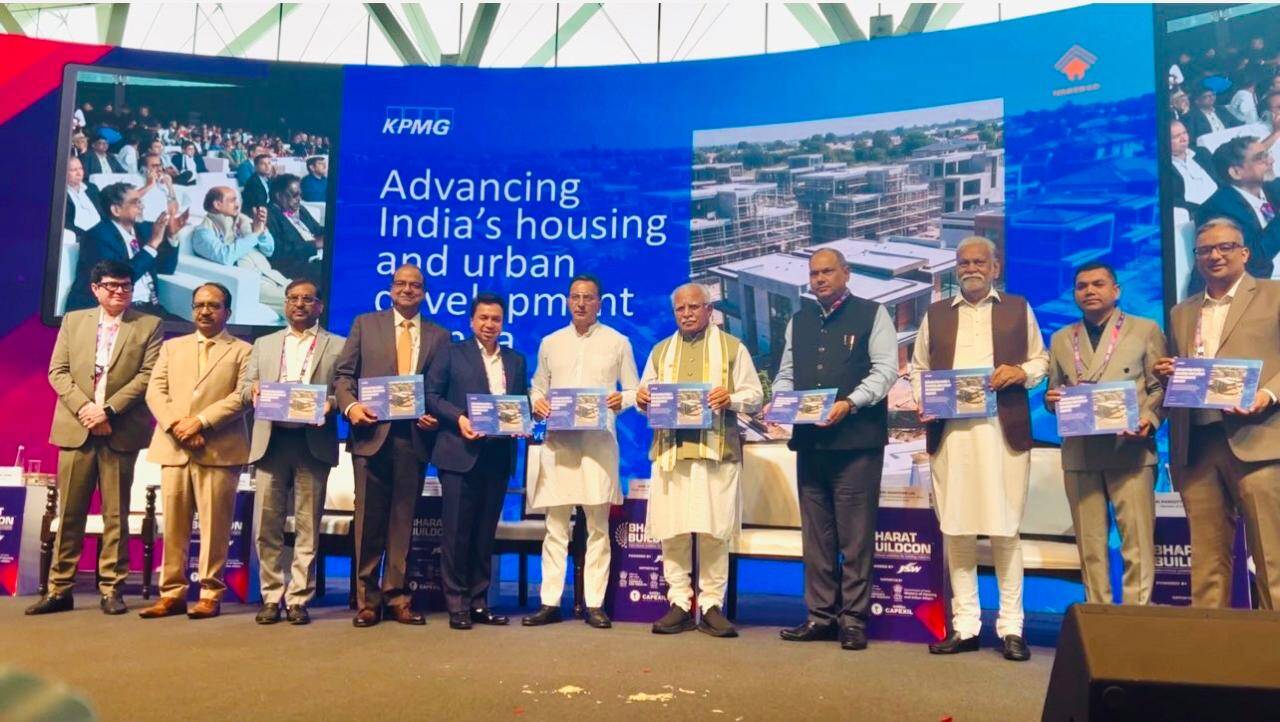
The report was unveiled by Union Housing and Urban Affairs Minister Manohar Lal Khattar during the NAREDCO Real Estate Conclave 2026.
The study outlines four key policy areas for the sector: affordable housing, rental housing, robust homebuyer protection through the RERA-Insolvency and Bankruptcy Code framework, and improved implementation of the Real Estate Regulatory Authority.
According to the report, urbanization in India is projected to reach 40% by 2036, with nearly half of the population expected to reside in urban areas by 2050.
Key factors driving housing demand will be urbanization and infrastructure development, albeit constrained by limited land, strict floor area ratio and space index regulations, prolonged approval timelines, costly financing for affordable housing, low rental yields, and overlaps between RERA and IBC.
To enhance affordable housing, the report suggests expanding land availability, increasing permissible floor area ratios (FAR), streamlining approvals via single-window systems, improving access to low-cost financing, and offering targeted tax incentives.
For rental housing, it advocates for a structured ecosystem with institutional investment, regulatory support, and tailored financing models. Recommendations include expanding affordable rental housing options, converting vacant properties into rental stock, adjusting GST, and developing frameworks for students, migrant workers, working women, and senior citizens.
The report also emphasizes the need for better alignment between RERA and IBC to ensure homebuyer protection in distressed projects, recommending project-specific insolvency resolution, early-warning systems, stronger coordination between RERA authorities and insolvency professionals, and enhanced safeguards during insolvency processes.
Since RERA’s introduction, approximately 165,000 projects and 116,000 agents have been registered, with about 162,000 complaints resolved across the states and union territories.
Parveen Jain, national president of NAREDCO, highlighted the importance of collaboration among government, industry, and financial institutions to expedite housing and infrastructure delivery.
Neeraj Bansal, partner and head of KPMG in India, noted that improved alignment between RERA and IBC, along with technology-driven monitoring, could foster transparency, accountability, and project execution. He also suggested raising the default threshold for initiating IBC proceedings to ₹5 crore to support project advancements.
As RERA approaches its tenth year of implementation, the report calls for improved regulatory consistency, wider adoption of digital project monitoring, expedited enforcement of orders, and increased awareness in Tier-II and Tier-III cities.
Balancing regulatory oversight with market efficiency, the report concludes, is essential for developing an affordable, transparent, and sustainable housing ecosystem.