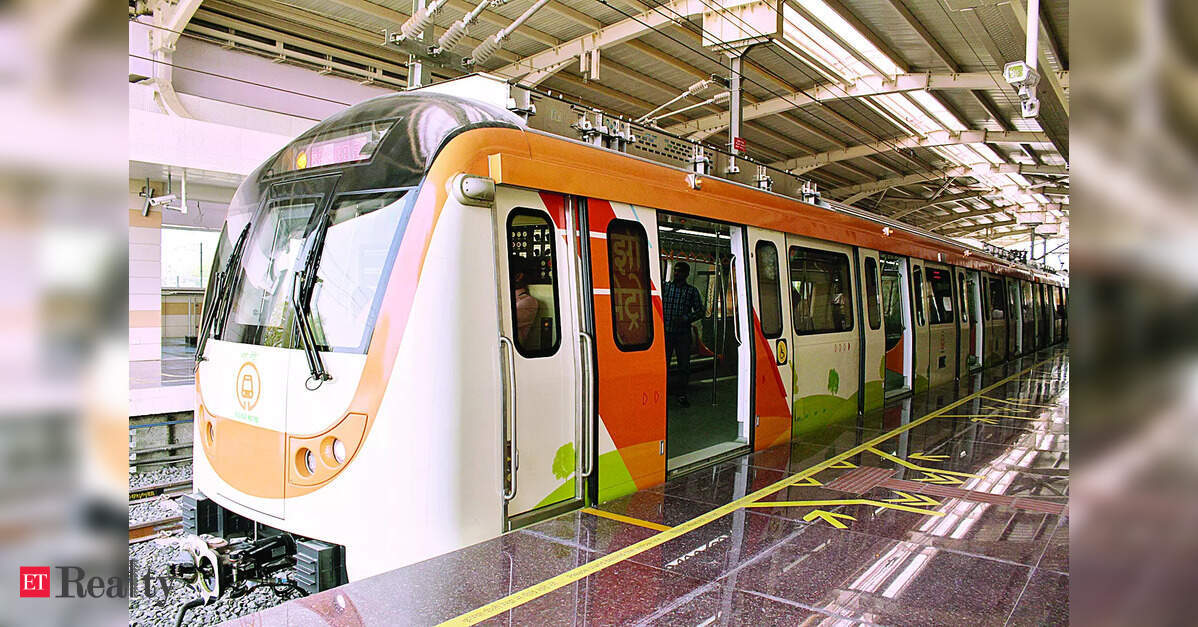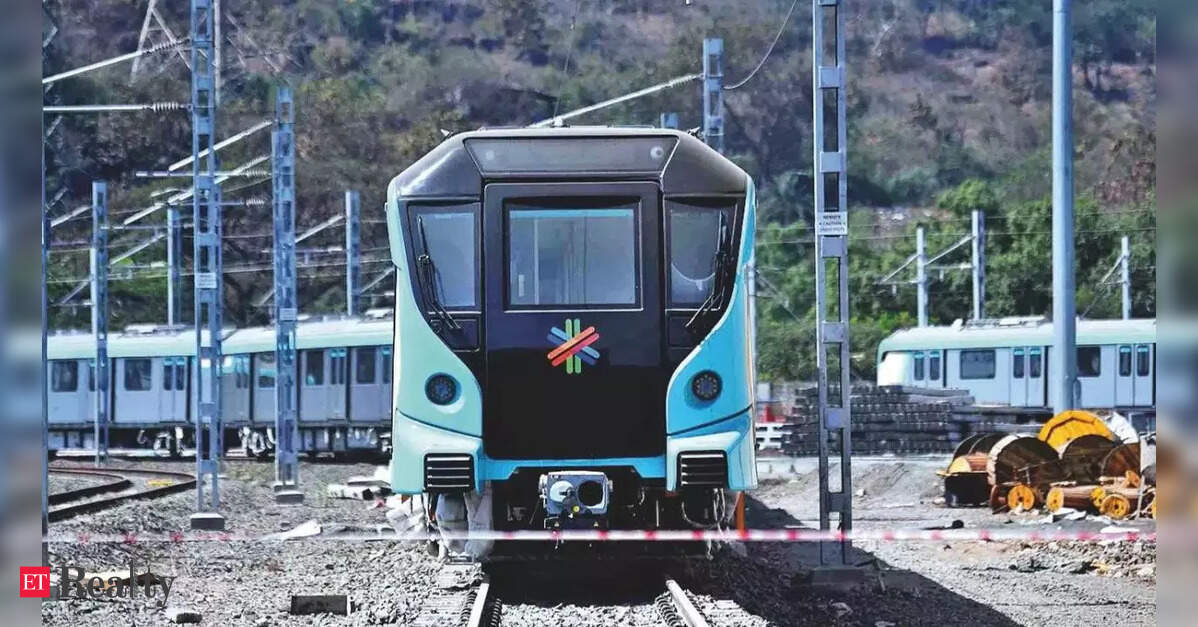
MUMBAI: The Mumbai Metropolitan Region Development Authority (MMRDA) has received bids from three firms to appoint a consultant for revising the Detailed Project Report (DPR) of the proposed Metro Line 14, which will connect Kanjurmarg and Badlapur. The authority is currently reworking the execution and financing model for this significant suburban corridor.
Bids for the consultancy contract were opened on May 11. The firms that participated in the bidding process are SMEC, Tata Consulting Engineers, and RITES. The evaluation of these bids is ongoing.
This initiative follows MMRDA’s unsuccessful attempt to attract private developers for the 38-km metro corridor through a public-private partnership (PPP) model. In May 2025, the authority issued an expression of interest (EoI) to invite private participation in the project, which was intended to be the second PPP Metro line in the Mumbai Metropolitan Region, following the Versova-Andheri-Ghatkopar Metro.
However, after receiving no responses from private entities, MMRDA is now considering the engineering, procurement, and construction (EPC) approach, supported by institutional loans and a deferred payment structure, according to sources within the metro rail industry.
The revised plan is expected to involve awarding construction packages to EPC contractors while the government secures funding, maintaining ownership and operational control of the corridor.
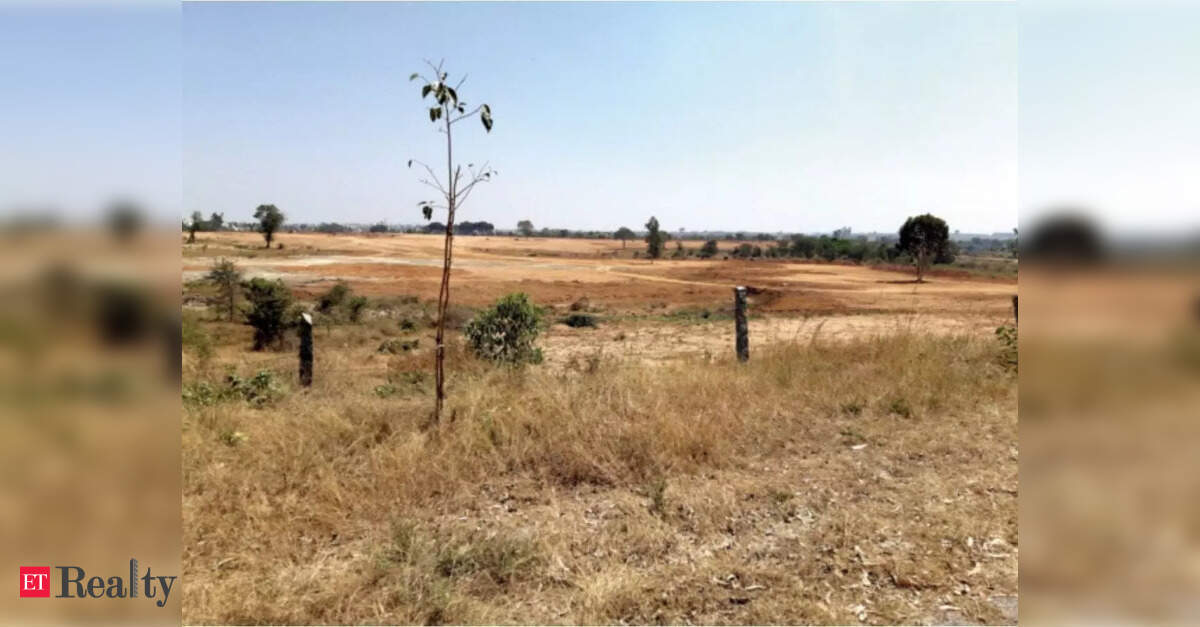
Metro Line 14 is set to be a vital east-west suburban connector linking Badlapur, Ambernath, Nilje, Shilphata, Mahape, Ghansoli, and Kanjurmarg. The alignment includes a 5.7-km stretch along Thane Creek and a 4.38-km section passing the Parsik Hills, which will require various environmental, forest, and coastal regulation clearances.
The corridor will feature 15 stations—13 elevated, one underground, and one at grade—along with a 20-hectare depot in Badlapur. The estimated project cost is around ₹18,000 crore, with projections indicating a capacity to carry nearly 6.5 lakh daily commuters by 2031.
Industry experts note that metro rail projects often struggle to attract private investment due to long development timelines, fare regulations, and unpredictable ridership forecasts. They also highlight construction risks associated with creek crossings, hill areas, and utility relocations, which can affect financial viability and delay project timelines.