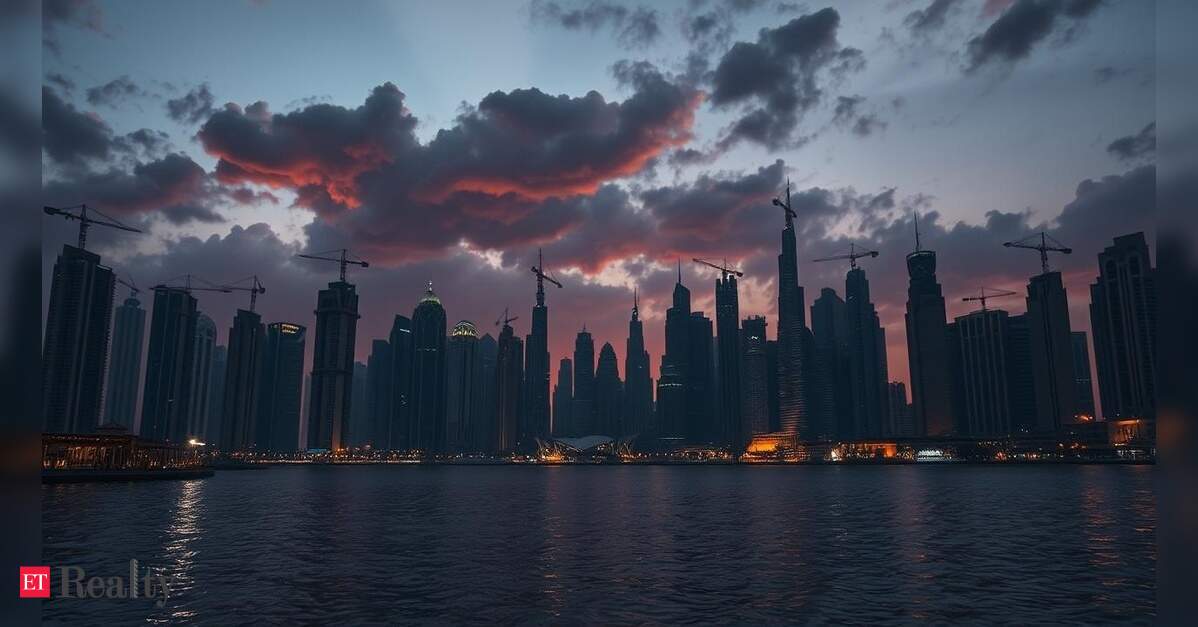
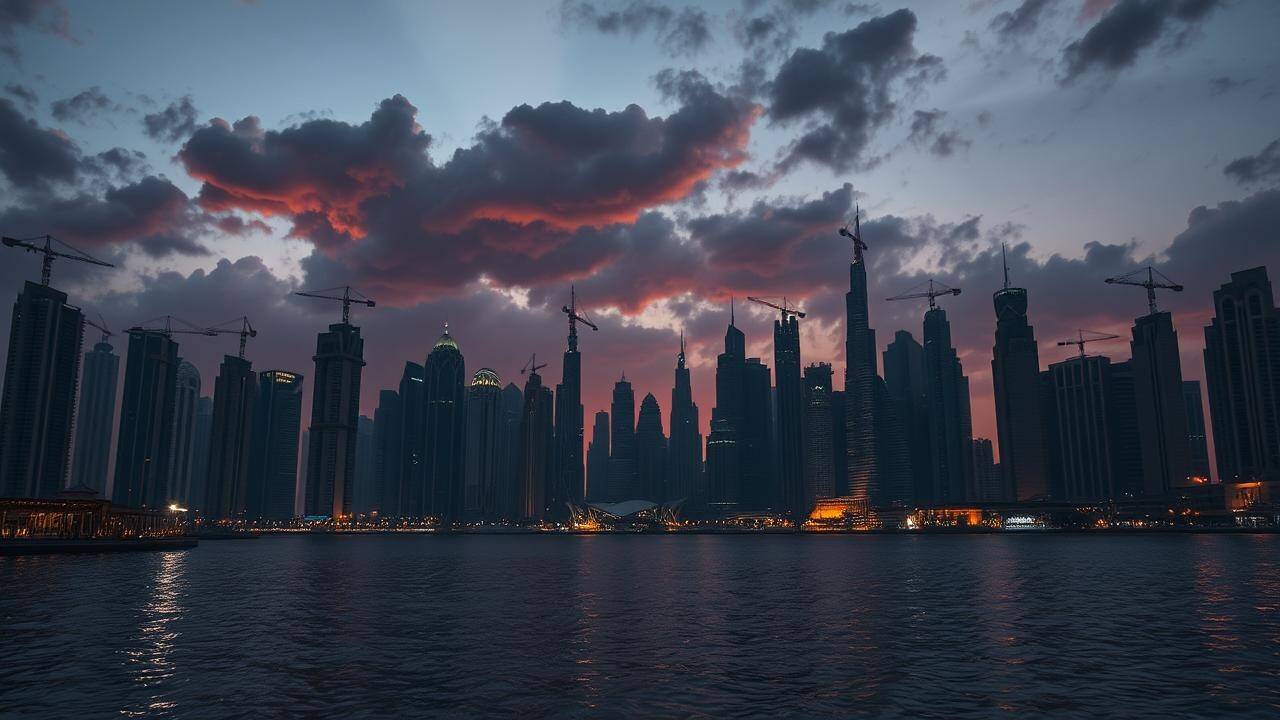
DUBAI: The ongoing conflict in West Asia is projected to hinder handovers in the UAE’s thriving property market, with developers facing delays of six to nine months due to supply chain issues, increased costs, and stricter bank financing.
Of the 45,000 units scheduled for delivery in Dubai by 2026, around half are expected to be postponed until 2027 or later, based on data from Anarock Middle East. The overall construction costs have surged by nearly 30%, as per industry estimates.
Currently, Dubai’s under-construction market accounts for approximately 70% of total property transactions, fueled by strong foreign investment, increased migration, and aggressive project launches.
The emirate has around 1,592 active construction projects comprising over 482,000 units, collectively valued at over AED 366 billion.
“The delivery pipeline for 2026 is unprecedented historically. However, actual handovers will likely fall short of projections. A delay of six to twelve months appears realistic given the current conditions,” stated Anuj Kejriwal, CEO of EMEA at Anarock Group.
Recently, Wynn Resorts announced a “modest” delay in the grand opening of its $5 billion integrated resort in Ras Al Khaimah, originally set for the first quarter of 2027. CEO Craig Billings noted that while the financial outlook for the project remains stable, extending the construction timeline could slightly increase costs.
Supply Chain Disruptions
With the UAE’s construction sector heavily reliant on imports, input costs have risen between 18% and 28% across various categories. Premium ceramics, aluminum façade sheets, specialized decor materials, and some mechanical, electrical, and plumbing (MEP) components have been particularly affected.
Kejriwal explained, “The US-Israeli strikes on Iran have significantly impacted Dubai’s construction supply chain. While ports haven’t completely shut down, many shipping services have ceased, and vessels are being rerouted through longer paths.”
In March, the strike on two major Gulf aluminum producers caused disruptions, with Emirates Global Aluminium’s Al Taweelah facility in Abu Dhabi estimated to take up to 12 months for full restoration of primary aluminum production, while Aluminium Bahrain has reduced nearly 20% of its smelting capacity.
Current data indicates that almost 58% of projects remain in the initial 0-20% construction phase, rendering them more susceptible to supply chain issues, logistics delays, contractor shortages, and cost increases, according to Dubai property expert Aditya Earnest John. Developers are beginning to build buffer timelines into schedules, with six-month delays becoming the norm for many projects, he added.
Kejriwal agreed, stating that projects not exceeding 60% completion are realistically facing delays of 6-12 months due to unreliable shipping, extended material lead times on Asian routes, and disruptions in construction labor availability.
Challenges in Escrow Account Financing
Developers relying on financing secured against escrow balances are finding it increasingly challenging to access liquidity as banks adopt a more cautious approach amid rising risks.
“Banks that previously offered financing based on escrow accounts are now putting more emphasis on developer credibility. This is a point of stress not just for contractors but also for real estate developers,” added Sahitya K Chaturvedi, secretary general of the Indian Business & Professional Council (IBPC).