Here’s a rewritten version of the content while retaining the essential details:
—

GURUGRAM: The Haryana State Pollution Control Board (HSPCB) has identified two group housing projects along the Dwarka Expressway that were found bypassing the treatment of untreated effluents. This discovery was made during a review of sewage treatment plants (STPs) in high-rise buildings, leading to the issuance of show-cause notices.
The inspections took place shortly after the board initiated a compliance drive aimed at ensuring STPs in the rapidly developing housing societies along the Dwarka Expressway are adhering to environmental regulations, especially in light of increasing concerns about wastewater pollution in the city.
On Wednesday, HSPCB officials inspected seven group housing and residential projects to evaluate the operational status and compliance of the STPs established by builders. Samples from the inflow and outflow of these plants were collected and sent to the HSPCB laboratory for analysis, with results pending.
The board reported finding two projects that were discharging untreated effluents, specifically Cogent Realtors’ Woodshire in Sector 107 and Nani Resorts and Floriculture in Sector 102, according to an official statement.
Other projects under inspection included Heritage Max in Sector 102, Godrej Real View Developers in Sector 106, Emaar MGF’s Gurgaon Greens in Sector 102, Joyville by Shapoorji Housing in Sector 102, and Emerald Bay in Sector 104.
The drive was initiated following directives from a meeting led by the HSPCB chairman concerning the implementation of the Yamuna Action Plan.
Last week, HSPCB officials stated that the inspections aimed to confirm whether the treated wastewater from these expansive residential areas met the required pollution standards prior to discharge or reuse.
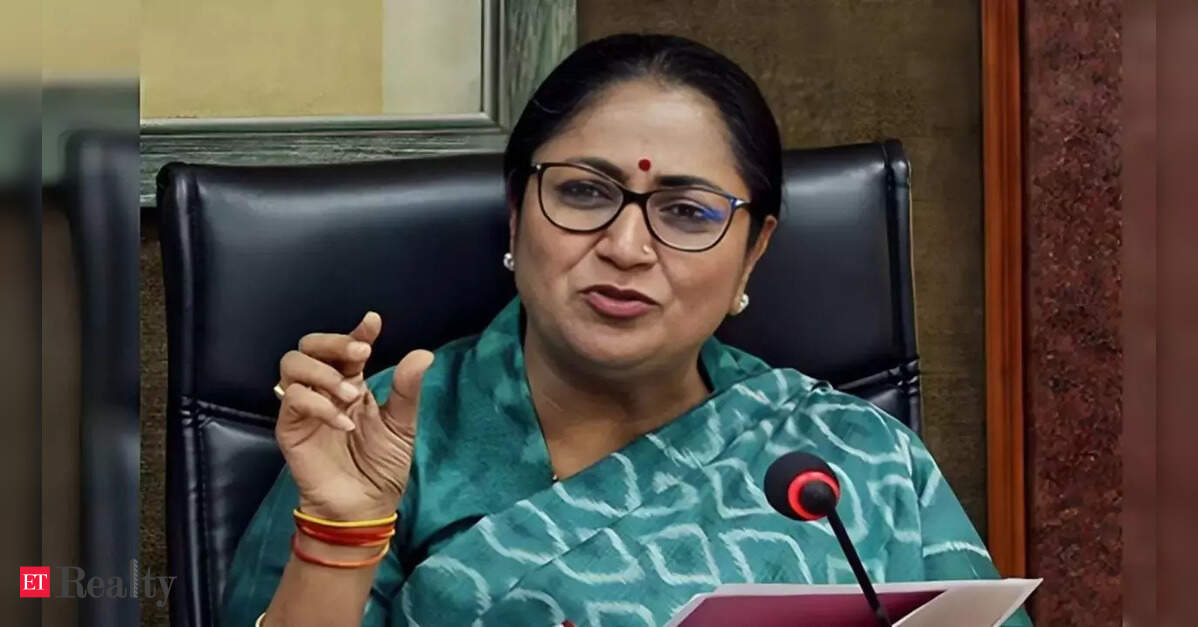
“With the ongoing large-scale residential development along the Dwarka Expressway, it’s essential to ensure these STPs are functioning according to regulations. Strict measures will be enforced against anyone found bypassing untreated effluent into any of the drains,” remarked Akanksha Tanwar, HSPCB regional officer, in an interview with TOI.
Previously, data reviewed by TOI indicated that the city contributes nearly 70% of the total pollution load entering the Yamuna from Haryana, primarily via the Najafgarh, Basai, and Badshahpur drains.
The figures further revealed that biochemical oxygen demand levels in some significant drains reached 170 mg/L, significantly above the acceptable limit of 3 mg/L, underscoring severe organic pollution and the discharge of untreated wastewater from the city.
Environmental experts have highlighted that while many group housing societies are mandated to have STPs, issues such as poor upkeep, insufficient capacity, and operational failures are frequent, often allowing inadequately treated sewage to enter the city’s drainage system.