
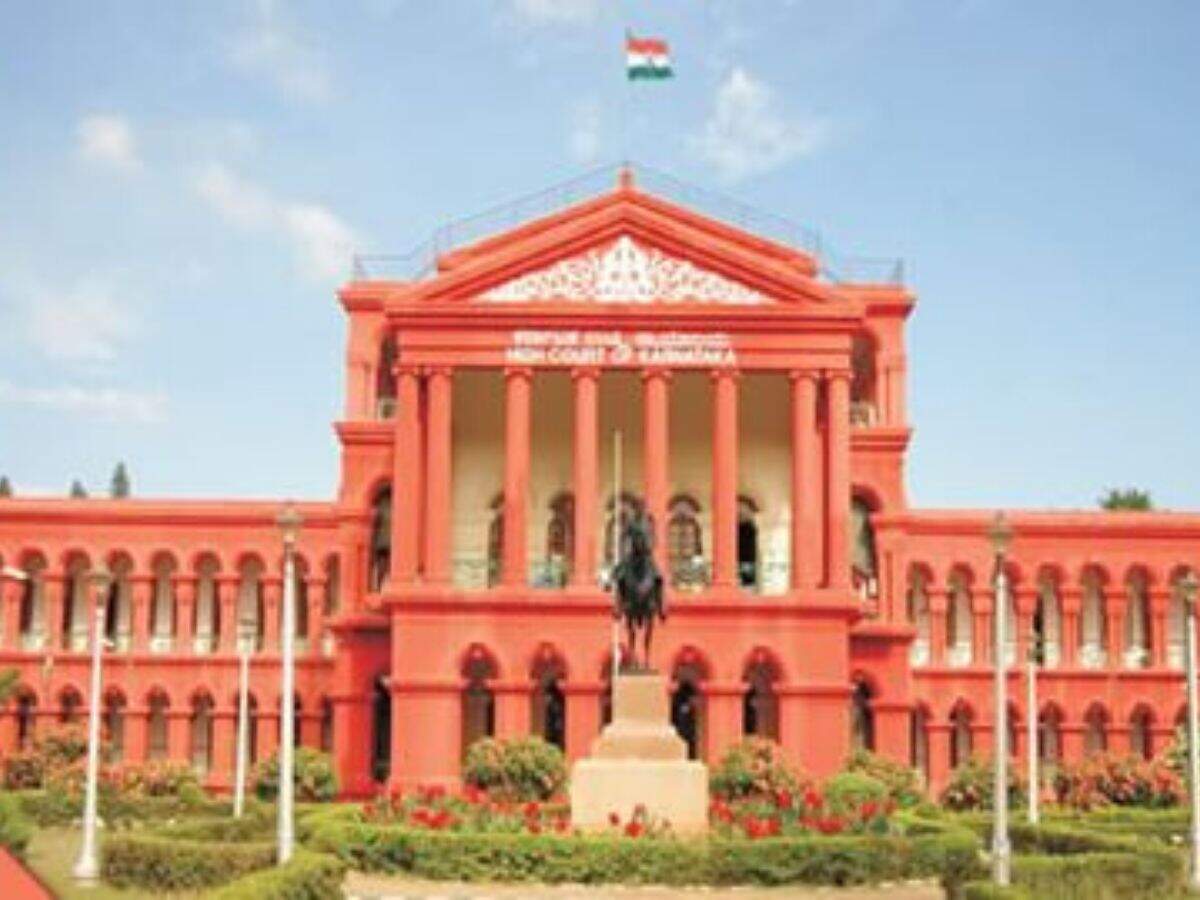
BENGALURU: The Bangalore Development Authority (BDA) has filed a writ petition with the Karnataka High Court, dated April 27 and registered April 29. The petition seeks clarification on whether the Real Estate (Regulation and Development) Act, 2016, is applicable to its residential layouts and schemes.
The petition names the Union of India, the Karnataka government, and the Karnataka Real Estate Regulatory Authority (K-Rera) as respondents.
BDA argues that it doesn’t meet the definition of a “promoter” as per Section 2(ZK) of the Act and thus should not fall under K-Rera’s jurisdiction.
Additionally, BDA is requesting a declaration that the provisions of Rera should not apply to layouts where preliminary acquisition notifications were issued before May 1, 2017, the date the Act took effect. They are also seeking interim relief to delay Rera’s application to such projects until the court deliberates on the matter.
BDA officials explained to TOI that their position is based on their role as a public planning authority. “BDA is not a real estate developer. We primarily create layouts to ensure affordable housing for middle- and lower-income groups. Halting this effort would lead to the rise of illegal and unplanned layouts throughout Bengaluru,” an official stated, noting that most city layouts have historically been managed by the authority.
BDA also emphasized that it operates under a statutory land acquisition process, differentiating itself from private developers.
A significant argument in the petition addresses the retrospective application of the law. “Enforcing Rera on projects conceived before May 1, 2017, is not only impractical but also unjust. When these layouts were designed—like those from around 2012—there was no law in effect. Buyers made agreements with this knowledge. Imposing penalties now would unjustly impact public funds,” the official remarked.
BDA further contends that any financial repercussions of Rera ultimately affect public resources and asserts that it operates transparently with revenues reinvested in the city.
Calling for a cooperative approach, the official stated that BDA is willing to collaborate with Rera to create a mechanism that serves public interests. Once interim relief is granted by the high court, the authority is open to structured discussions with Rera, potentially leading to a formal agreement governing future projects.
In a previous report by TOI, residents of Nadaprabhu Kempegowda Layout (NPKL) highlighted ongoing development delays, claiming they have been waiting for over a decade. They referenced the Rera Act, 2016, asserting that the BDA qualifies as a “promoter” and is accountable under K-Rera regulations, with over 20 residents approaching the authority and some securing compensation orders for delays.