
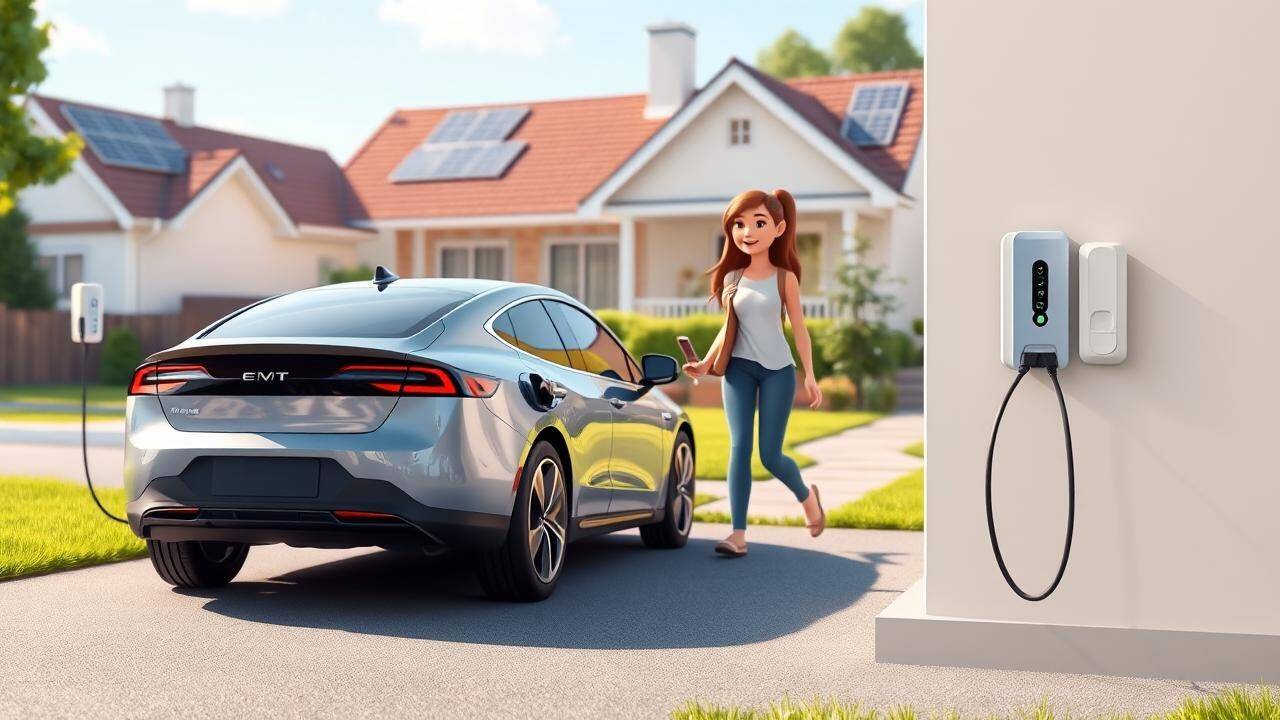
GURUGRAM: The Haryana government has proposed changes to the Haryana Building Code, 2017, mandating EV charging infrastructure in both residential and non-residential projects to enhance EV adoption in the state.
The Department of Town and Country Planning (DTCP) has announced a public notice requesting feedback from stakeholders within 30 days, with a deadline set for May 26.
The draft amendments state that EV charging infrastructure will be excluded from Floor Area Ratio (FAR) calculations, a move anticipated to motivate developers to incorporate these facilities without affecting the built area. The proposal outlines clear guidelines for installing electric charging stations across different building categories.
For non-residential projects like shopping complexes, malls, hotels, and office spaces that provide parking for at least 10 vehicles, the code specifies one charging point for every three parking spots. Additionally, all parking areas in new and renovated buildings must be EV-ready, with conduits installed beforehand.
In residential schemes, such as group housing societies and cooperative housing complexes, at least one EV charging point will be required for every five parking spaces, and all parking spots should also be made EV-ready. Officials indicated that this proposal aligns with the Centre’s initiative for cleaner mobility and aims to prepare urban infrastructure for future needs.
“The objective is to ensure that the lack of charging facilities does not impede EV adoption in residential and commercial buildings. Making structures EV-ready at the planning stage is much more efficient than retrofitting later,” stated a senior DTCP official.
The draft mentions that EV charging points can be set up in basements or stilt parking areas, provided they meet fire safety regulations. This provision is expected to mitigate space limitations in densely populated urban areas such as Gurgaon.
Urban planners and real estate professionals have generally welcomed the proposal but emphasize the need for clarity on implementation and cost-sharing. “The exemption from FAR is a positive development, but detailed guidelines on load management, electricity connections, and maintenance responsibilities are necessary,” remarked a developer based in Gurgaon.
The proposal emerges at a time of increasing EV sales and mounting pressure on urban infrastructure to accommodate a shift towards sustainable mobility. If effectively put into practice, the amended code could enhance EV readiness in Haryana’s rapidly urbanizing areas, including Gurgaon, Faridabad, and Panchkula.
“EV charging infrastructure is essential, particularly in a city like Gurgaon, where vehicle numbers are on the rise. However, authorities must also establish clear guidelines regarding electricity load, safety, and cost-sharing within housing societies. Without this clarity, implementation will be challenging for RWAs,” expressed Ajai Kumar, a resident of a group housing society on Dwarka Expressway.