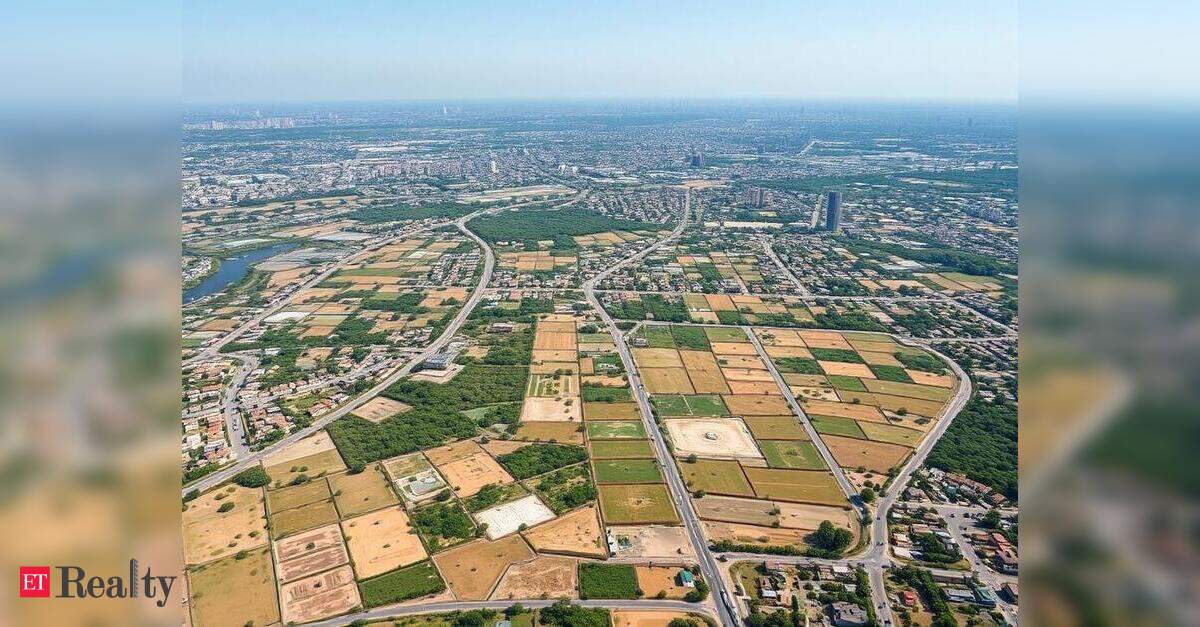
BENGALURU: The evolution of the city’s urban sprawl is evident not just in its changing skylines but also in its developmental layouts. Data from the Bangalore Development Authority (BDA) highlights how the city’s growth trajectory has shifted over the past fifty years in response to changes in land use, job availability, and infrastructure.
From 1972 to 2025, the BDA has approved 1,017 layouts. In the early years, development was concentrated in southern Bengaluru, which still represents 40-43% of all approved layouts.
Areas like Uttarahalli, Begur, and Kengeri emerged as primary hubs for planned expansion, attributed to their large plots of land and proximity to the city’s older core, making them ideal for organized growth. However, during the 1980s and 1990s, the city’s expansion began shifting northward. Regions such as Yeshwantpur and Yelahanka saw a rise in layout approvals, primarily due to the emergence of cooperative housing societies, indicating a diversification in organized residential planning.
Following 2000, the growth trend shifted yet again towards the east. The IT corridor’s development prompted increased layout activity in eastern Bengaluru and Anekal taluk—areas that previously saw little action in BDA records have become key sites for new developments, driven by employment hubs and enhanced connectivity.
A senior BDA official noted that the pattern of layout approvals is closely linked to market demand and infrastructure capabilities. “Applications are submitted to the town planning committee for review. Once approved, a plan is issued, and we scrutinize all documents to ensure compliance with regulations,” he explained, adding that applications now come in from various areas across the city.
Despite these shifts, residential growth remains predominant, with nearly 90% of approved layouts—around 900—designated for residential use. Industrial and commercial layouts collectively account for fewer than 20, a trend attributed to the larger land requirements of industrial projects limiting their expansion within city limits.
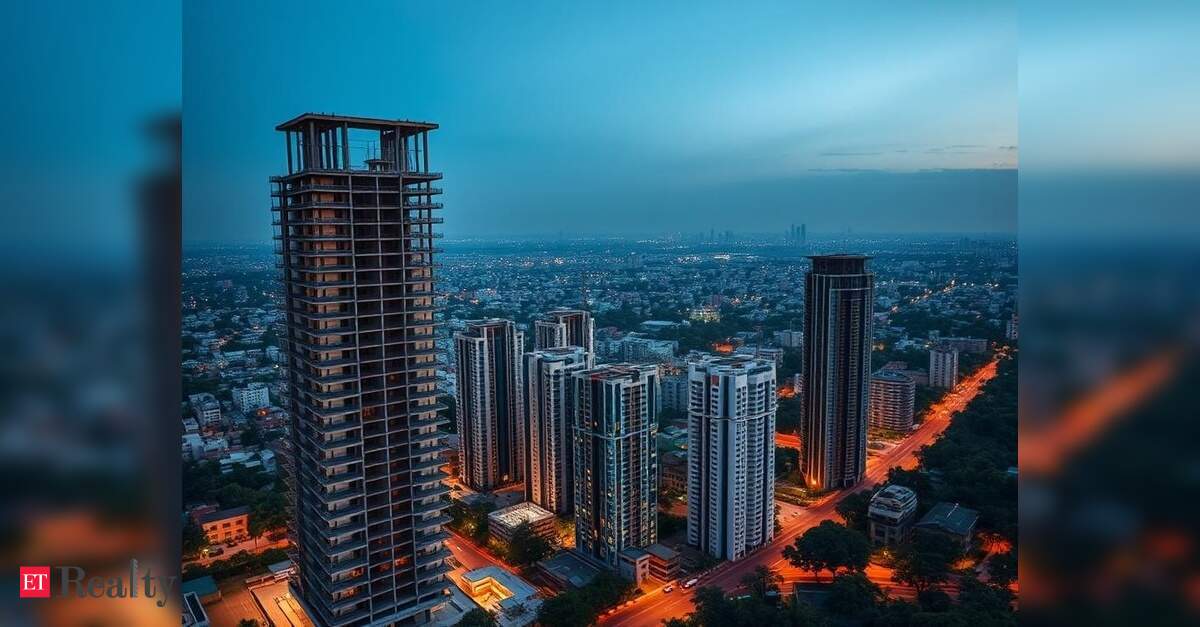
In response to increasing land pressure, recent trends have begun exhibiting vertical developments. In the 2025-26 period alone, the BDA received 179 plan approval requests for single and multiple plots, indicating a gradual transition towards denser developments while new layouts continue to arise.
The data reflects a dynamic planning approach, with at least one in ten layouts being revised post-approval to accommodate shifts in design or infrastructure in response to rising demand.
These figures clearly outline a growth trajectory that began with a southern focus, expanded northward, and then moved eastward, driven by the IT sector. BDA’s layout approvals effectively illustrate how Bengaluru has evolved and continues to redefine itself.