Sure! Here’s a rewritten version of the content:
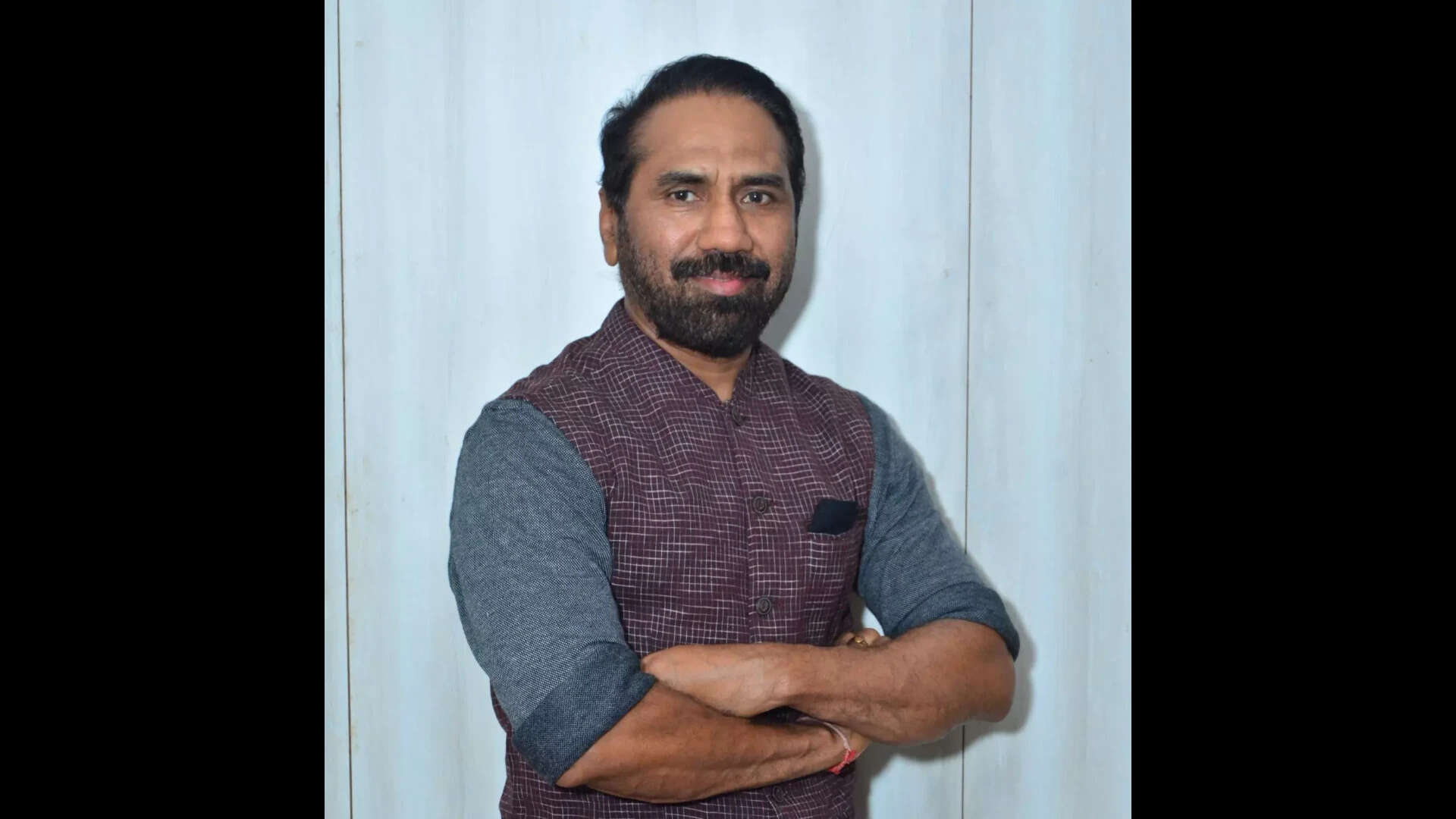
NEW DELHI: Redevelopment and brownfield projects in prime urban locations have significantly boosted the real estate sector in Maharashtra over the last two years, as stated by Anil Wankhede, Deputy CEO of the Maharashtra Housing and Area Development Authority (MHADA).
In an exclusive interview with Ankit Sharma, Wankhede emphasized that MHADA is concentrating on redeveloping aging housing layouts in cities like Mumbai, Pune, and Nashik, alongside formulating policies to enhance rental housing and expedite the redevelopment of older structures. He indicated that there remains a robust demand for affordable housing through MHADA’s housing lotteries. Below are edited excerpts from the conversation:
How has the real estate sector fared in the past year, and what is the outlook?
In the past two years, the real estate sector has experienced significant growth, primarily driven by redevelopment and brownfield projects located in high-demand areas. Consequently, this has led to steady growth within Maharashtra’s real estate market.
What are MHADA’s priorities for the next two to three years?
With a legacy spanning over seven decades, MHADA has successfully delivered around nine lakh housing units statewide, including about 2.5 lakh units in Mumbai. Moving forward, our primary focus is on redeveloping old housing layouts. Many MHADA projects in cities like Mumbai, Pune, and Nashik are approximately 40-45 years old, making their redevelopment crucial. We aim to foster a system that encourages private developers to engage in these projects while ensuring a portion of the units created are designated as affordable housing. Moreover, we are advancing a rental housing policy currently awaiting government approval.
What role can rental housing serve in meeting urban housing demands?
The Indian housing market has historically favored ownership, but affordability is a subjective term that varies from city to city. In many instances, the practical approach is to enhance accessibility rather than solely focus on affordability. Rental housing can bridge this gap by providing options for diverse populations, including students, working women, seniors, and individuals temporarily relocating for medical or job-related reasons. The policy intends to create a conducive environment for private developers to view rental housing as a viable business opportunity.
How does the policy address private developers’ hesitancy towards rental housing?
In drafting the policy, we engaged various stakeholders, including developer associations like NAREDCO. A key issue is that rental housing typically yields around 4-4.5% returns, compared to approximately 20% in conventional real estate. To overcome this challenge, the policy proposes incentives and supportive measures aimed at encouraging developers to invest in the rental housing sector.
What notable redevelopment projects is MHADA currently pursuing?
In addition to projects like Kamathipura and BDD Chawls, plans are underway for several large layouts, including Motilal Nagar (114 acres), Adarsh Nagar in Worli, Bandra Reclamation, and SV Nagar. Many of these initiatives are at advanced stages and will soon be opened for tendering.
What has been the response to MHADA’s housing lotteries?
MHADA’s housing lotteries in Mumbai typically generate a strong response. In the most recent lottery for around 3,500 homes, we received approximately 1.5 lakh applications. Each year, we aim to offer around 4,000-5,000 homes through these lotteries, with more announcements expected in the coming months.
What factors contributed to MHADA’s recent financial growth?
Since mid-2023, MHADA has undergone several strategic changes aimed at improving regulatory processes, boosting private sector involvement, and adopting more transparent project management practices. As a result, we’ve seen a remarkable strengthening of our financial position, soaring from around ₹150 crore in June 2023 to over ₹5,000 crore today. A considerable portion of this revenue has emerged from premiums paid by developers engaged in redevelopment projects.
What is MHADA’s strategy for redeveloping cess buildings?
Cess buildings in Mumbai have posed persistent challenges. Historically, there were roughly 19,500 such buildings, with around 13,500 remaining today. Redevelopment efforts have been slow due to tenant disputes and legal issues. MHADA is now working on implementing an exit policy and regulatory adjustments to hasten the redevelopment process, with the goal of completing these projects within the next 15 years, rather than relying on ongoing repairs and maintenance.

This version maintains the original meaning while utilizing different wording and structure.