GURUGRAM: The Directorate of Urban Local Bodies (ULB) has established a committee to draft a model request for proposal (RFP) for waste-to-energy projects across municipal corporations in the state, including Gurgaon, Faridabad, and Hisar. These projects will be executed under a public-private partnership (PPP) framework.
The ULB’s directive states that the Ministry of Housing and Urban Affairs has provided a model RFP to help states and ULBs develop technically sound and financially viable waste-to-energy initiatives.
The committee is comprised of Dhirendra Khadgata, commissioner of the Faridabad municipal corporation; Pradeep Dahiya, MCG chief; Niraj, chief of the Hisar civic body; alongside MCG additional commissioners Ankita Chaudhary and Yash Jaluka. Their responsibilities include conducting assessments within 20 days for their respective municipal corporations.
These assessments encompass the preparation of techno-economic feasibility reports, site identification, power evacuation arrangements, a power purchase agreement (PPA) framework, and waste quantity assessments.
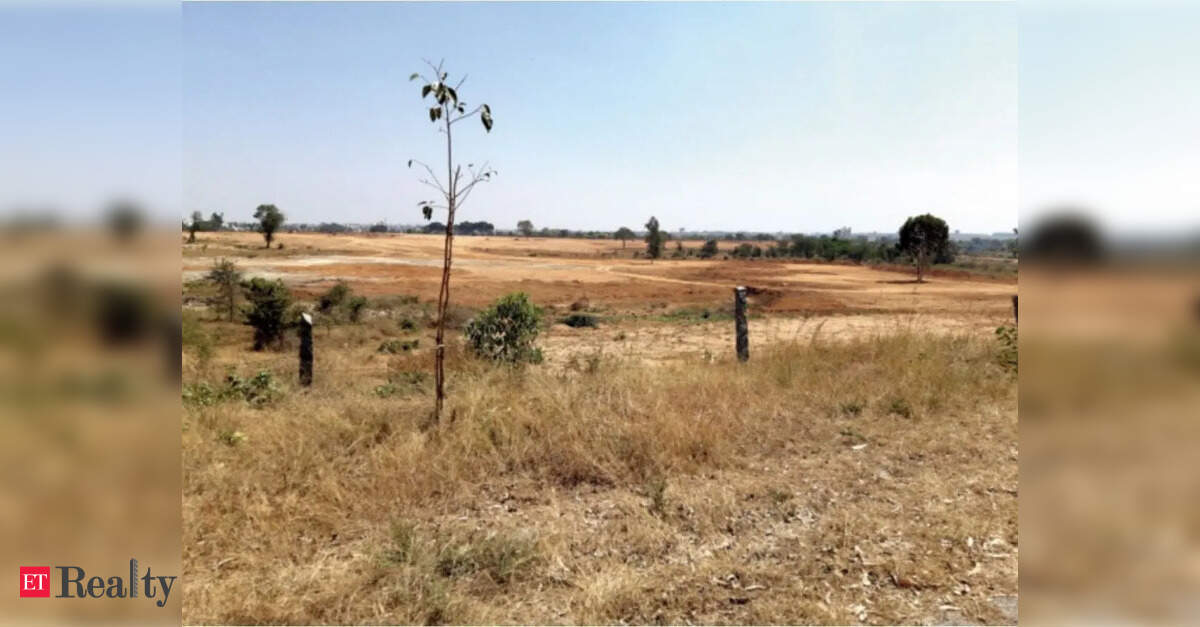
“We have earmarked 20 acres of land in Manesar for the establishment of a plant for the city. This land, owned by HSIIDC, is being allocated for the project,” stated MCG commissioner Pradeep Dahiya.
The initiative aims to enhance scientific municipal solid waste management under the Swachh Bharat Mission (Urban). Developing waste-to-energy facilities is considered a crucial strategy for ensuring proper municipal solid waste processing and reducing reliance on landfills.
The committee will also project costs, evaluate environmental requirements, and plan for the disposal of residual waste.
“Over the past two decades, there have been several attempts to initiate waste-to-energy projects in the city. While initially viewed as potential solutions to waste issues, it’s now recognized that they conflict with the decentralized and sustainable waste management framework outlined in the Solid Waste Management Rules, 2016. Evidence of pollution from these plants indicates they are not optimal choices and should only be considered if no alternatives exist and with pollution control technologies,” commented Gauri Sarin, convener of Gurgaon Residents Against Pollution and Making Model Gurgaon.
“Establishing a waste-to-energy facility contradicts the Solid Waste Management Rules, 2016, which mandate recycling of dry waste, composting wet waste at the source, and directing only the remaining inert or residual waste to cement plants or waste-to-energy facilities,” added environmentalist Vaishali Rana.