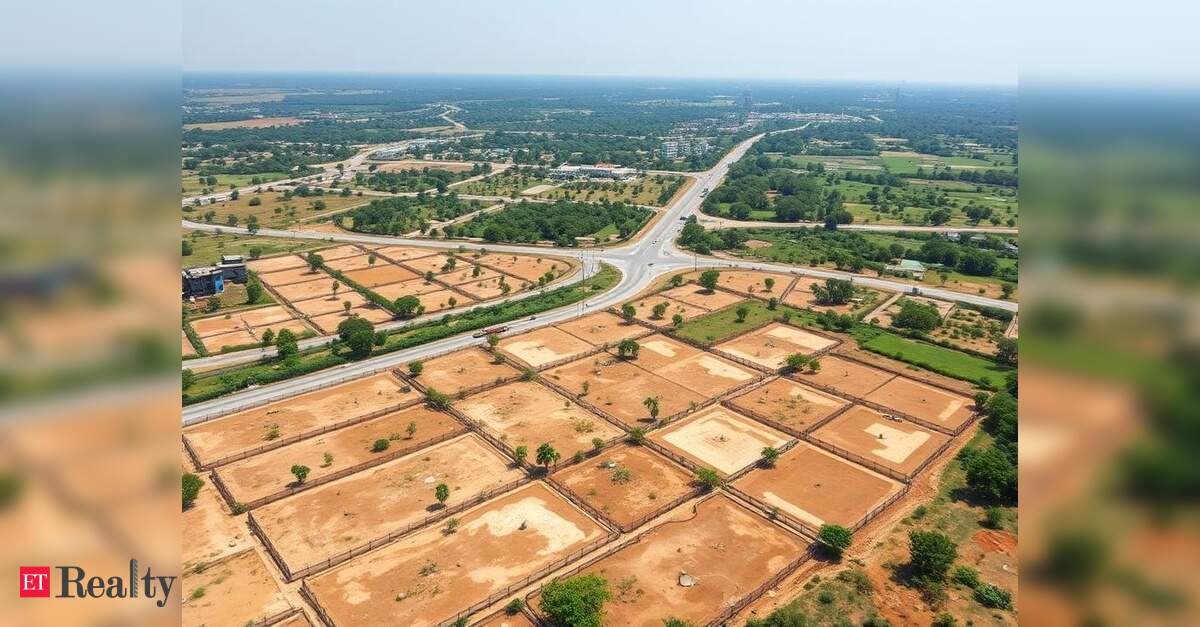

BENGALURU: The Karnataka Real Estate Regulatory Authority (K-Rera) has ramped up its efforts to monitor unregistered developments, aiming to pinpoint violations, confirm project status, and take action against non-compliant promoters to protect homebuyers. Notices have been sent to validate project status and registration, uncovering that some were eventually registered.
Data from K-Rera indicates that 765 complaints about unregistered projects have been lodged in Karnataka since 2021. Of these, orders were issued in 440 cases, while 325 remain at various stages of hearing and processing.
Officials noted that a significant portion of complaints pertains to projects that either do not physically exist or are already registered, necessitating a preliminary verification approach. In many cases, notices were issued up to three times to gather responses from promoters and clarify facts.
Under the Rera Act, any residential project exceeding eight units or covering more than 500 sqm must be registered with the authority.
Rera officials acknowledged that many complaints arose from mistaken uploads on the portal or buyer confusion regarding whether a builder was genuinely executing a project. The ongoing campaign aims to filter genuine violations while also focusing on enforcement. If a project is confirmed to be unregistered despite meeting Rera criteria, the case is forwarded to the relevant authority for hearings and action against the promoter.
Officials pointed to structural gaps that allow some promoters to evade registration. In certain cases, planning authorities issue project approvals and occupancy certificates independently of RERA. Moreover, Rera registration is not always required when registering property with other planning departments, like the urban development or stamps department.
A senior Rera official explained to TOI: “Because registration is not closely linked with other approvals, some promoters bypass it. Planning authorities can grant sanctions and occupancy certificates on their own, and since Rera numbers are not mandatory for property registration, a few builders proceed without it. Registered projects ensure buyers receive verified information about approvals, timelines, and finances. In instances of fraud, they can file complaints and seek recourse.”
Unregistered projects lack the required Rera registration and disclosures on approvals, making them risky due to potential regulatory evasion, which heightens fraud and safety concerns. K-Rera emphasized that this initiative aims to safeguard homebuyers.
Homebuyer groups highlighted the challenge of low buyer awareness, noting that many individuals fail to verify Rera registration details and rely solely on builders’ promises, leaving them open to delays and legal issues.
Dhananjaya Padmanabhachar, convenor of the Karnataka Home Buyers Forum, stated: “Rera must ensure that every eligible project is registered without exception to protect homebuyers. We’ve observed promoters with canceled projects registering anew with different company names. The authority should utilize available data to scrutinize promoters and uphold homebuyers’ rights.”
R Rajagopalan, convenor of Bengaluru Coalition, remarked: “The core issue lies in the approval process. Court opinions matter, but the larger concern is buyer awareness—many still fall for unregistered projects based on builders’ claims. We need governmental and statutory bodies to actively protect citizens’ rights. Many violations occur in ambiguous areas, like unit counts or square footage, where loopholes are exploited. The real challenge is ensuring compliance among both non-applicants and non-compliant registrants.”