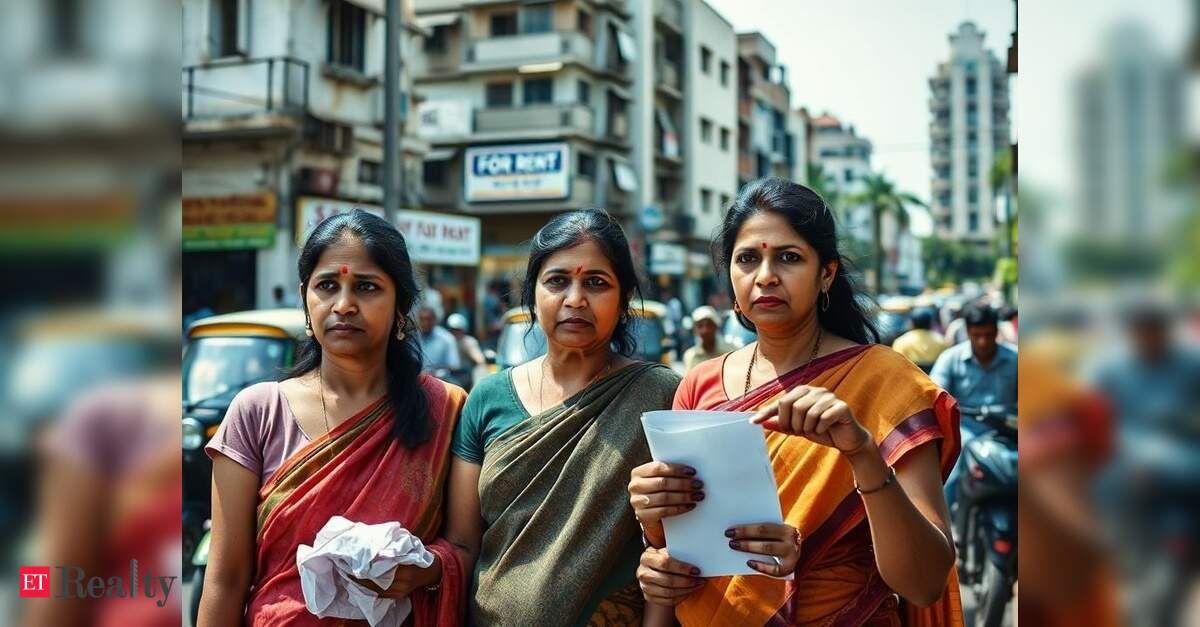
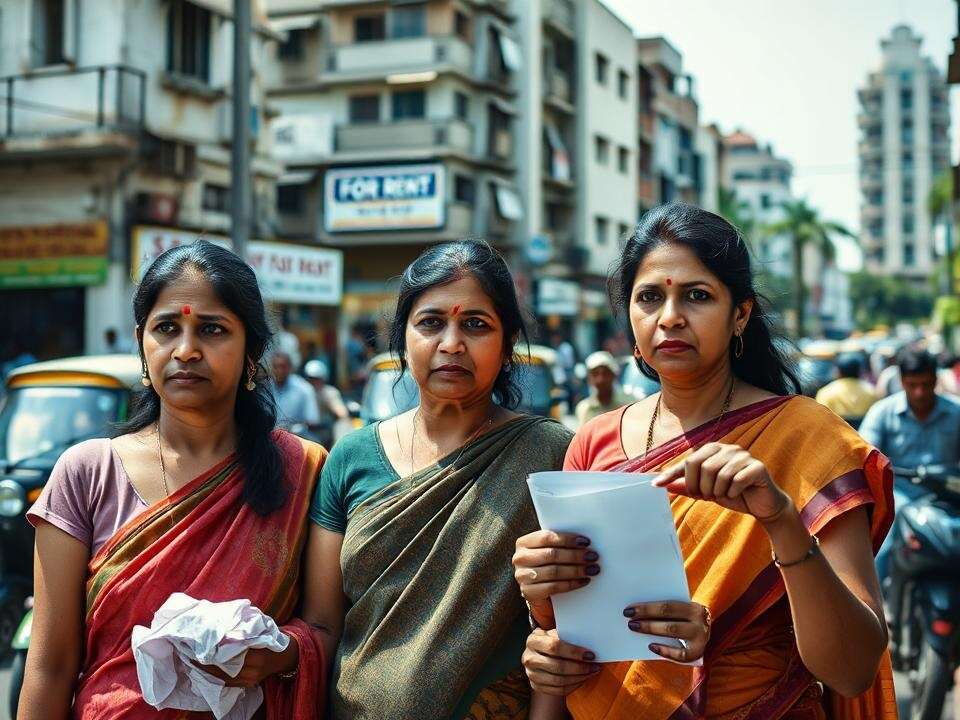
Women renters in Chennai are contending with moral policing and broker harassment, despite an increasing acceptance in the rental market. For Priyanka M, who relocated from Tiruvallur, it took six months and nearly 60 house viewings to finally find a rental in Egmore. Shreya P, now living in T Nagar after moving from Salem, faced different challenges, including harassment from brokers and scrutiny regarding her profession and lifestyle.
Although data indicates that the city is becoming more welcoming to independent women renters and proptech platforms are emerging to limit broker interference, the reality remains challenging. Many house hunters begin with a list of restrictions imposed by landlords rather than rental agreements.
“We must return home by 10 PM, no parties, and no parents or relatives without prior notice,” Priyanka explained. The stress of house-hunting was compounded for Shreya with constant broker calls and unsolicited inquiries. “To reduce this, many women opt for social media flatmate groups, but there are also brokers who bombard us with calls,” she stated. “I eventually relied on verified property platforms and community networks to reduce harassment and lessen my reliance on brokers.”
Rosy, 48, a single mother and city worker living with her daughter, noted that both brokers and landlords often pose intrusive questions. “Finding a place near my workplace was tough. Landlords have their usual rule set, and brokers want to know very personal details,” she shared.
S N Srikanth, a member of the Chennai Real Estate Agents Association, commented that moral policing is more prevalent among landlords of smaller flats and independent houses. “This issue is becoming less common in multi-storey buildings, indicating progress,” he said.
The situation is underscored by encouraging statistics. A study by Nobroker.com reveals that women comprise 27% of rental seekers in Chennai, with inquiries increasing by 31% annually. Most demand is in OMR, Velachery, Adyar, and Anna Nagar, primarily within the ₹12,000–₹25,000 range, conveniently located near IT parks, colleges, and metro lines.
“Neighborhoods that offer metro access, a robust social infrastructure, adequate street lighting, and gated community living command a rental premium. This premium reflects a broader ecosystem rather than safety alone, encompassing security, maintenance, community presence, and better landlord acceptance,” explained Saurabh Garg, Co-Founder of NoBroker.
He noted that female tenants in Chennai increasingly prefer gated communities and professionally managed apartment complexes, which feature controlled access, CCTV surveillance, security personnel, power backup, and organized maintenance support—elements that help minimize daily nuisances and feelings of vulnerability. Consequently, rents in such facilities are generally 30–35% higher than those in nearby standalone buildings or low-rise homes.
Landlord attitudes are evolving as well. Many owners in larger apartment complexes and gated communities are more willing to rent to women. “Another emerging trend is the rise of shared living in organized housing. Over 70% of females sharing spaces reside in large apartments and gated societies. Currently, 35% prefer 2BHK units, as demand for these has overtaken the historically more popular 1BHKs. This shift indicates a growing inclination towards shared living arrangements among working professionals and students,” he added.