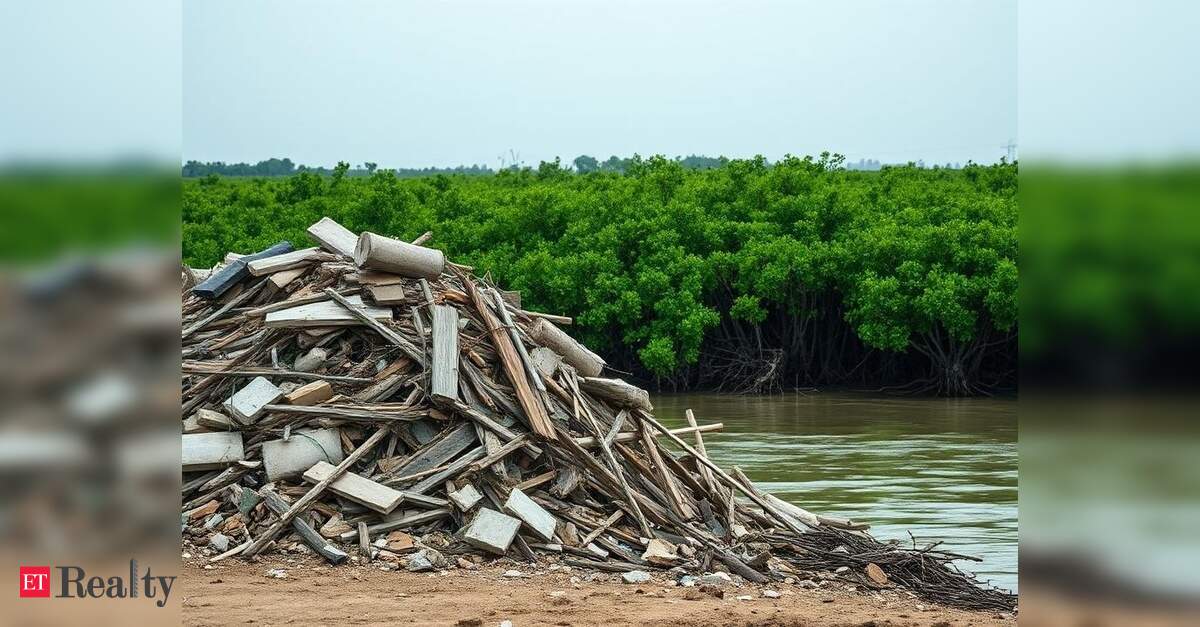
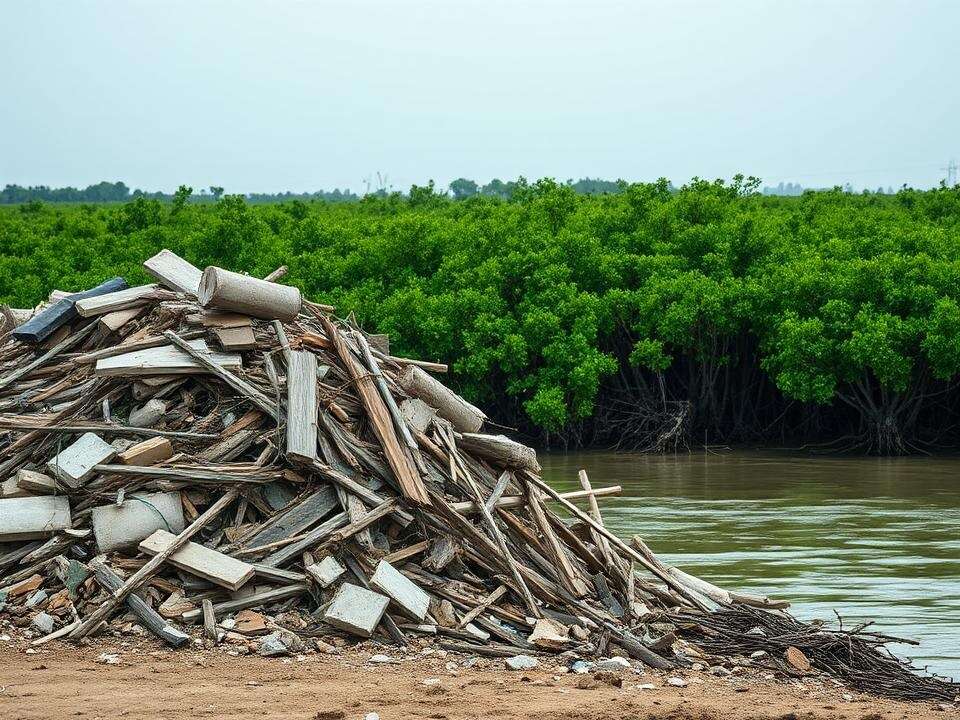
MUMBAI: A civic investigation has revealed that tonnes of construction debris from nearly 2,000 redevelopment projects intended for designated disposal sites have not been reaching their intended locations, according to officials from Mumbai Mirror.
Environmentalists suspect that this waste has been sold to land mafia for illegal encroachment on Mumbai’s mangrove and wetland areas.
This significant environmental oversight came to light when the Brihanmumbai Municipal Corporation (BMC) examined documents and discovered that builders had repeatedly listed just seven sites as waste disposal locations for over 2,000 projects. “There is no way that so much debris could fit into these seven locations,” an insider told Mirror. “This led us to initiate an investigation in December, revealing that the debris was not being sent to the designated spots.”
As a result, the BMC has instructed builders to ensure that all debris is sent to the official recycling facilities in Dahisar and Kalyan. Moreover, new construction permissions have been suspended until errant developers formalize contracts with these recycling plants.
Under BMC policy, builders must declare where debris will be disposed of before receiving project approval.
This policy alteration has delayed construction approvals significantly. An official from the Building Proposal department mentioned, “Builders must now negotiate agreements with the two plants for debris disposal, which will take time. During this period, we cannot issue construction permits.” Currently, around 400 to 500 projects are stalled due to this requirement.
For years, builders had indicated sites around Panvel and Khopoli in Raigad district as disposal locations. “Multiple projects listing the same site raised concerns, as these locations could not accommodate such vast amounts of debris,” a civic official noted. “Upon investigation, we confirmed that debris was not being disposed of at these sites and consequently halted permissions,” the official added.
Anand Gupta, spokesperson for the Builder Association of India, stated, “We support the BMC’s decision. Typically, builders hire contractors to handle debris disposal. While these contractors might have disposed of rubble in unauthorized areas, this requires the collusion of local BMC officials.”
Environmentalist Godfrey Pimenta, known for exposing illegal dumping in Aarey Colony at the end of 2025, emphasized that this issue extends beyond dumping at designated sites; it affects slum development and environmental degradation. Illegal dumping has reportedly occurred in Malvani, Versova, and other secluded areas, often jeopardizing the ecosystem.
Pimenta noted that a network of contractors and slum mafia governs these practices. “After rubble is dumped, we observe the establishment of hutments at those locations, which we have reported,” he stated, urging for a thorough investigation by the BMC to prevent further environmental damage.
In November, Mirror highlighted extensive dumping of mud and stones within the sensitive forest areas of Aarey Colony, where it was reported that 50 to 60 truckloads of debris were illegally deposited, raising concerns about irreparable damage to the ecosystem. Similar incidents have been noted in Aarey Colony’s isolated areas.
A former BMC official, wishing to remain anonymous, reported that about a year ago, they discovered illegal dumping at Mankhurd creek. Investigations revealed that the contractor received between ₹15,000-20,000 for each truckload, profiting immensely as the trucks avoided longer trips to Raigad while charging both for moving and illegally dumping the rubble.
“Illegal dumping primarily occurs in mangroves or wetlands, posing a significant risk to the city. These areas manage rainwater, and mangroves serve as barriers against tidal waves. However, such dumping undermines these natural defenses, leading to increased flooding,” remarked environmentalist Rohit Joshi.